
Whole-House Repiping
Local | Reliable | Trusted
we service both home and businesses

Residential Services
From general services on faucets and pipes to replacing water heaters and septic repair, we can do it all.

Commercial Services
Our plumbing specialists can work with contractors of all sizes for small repairs to large scale installations.


Old, leaking or corroded pipe replaced with a new water system, planned and priced before work starts.
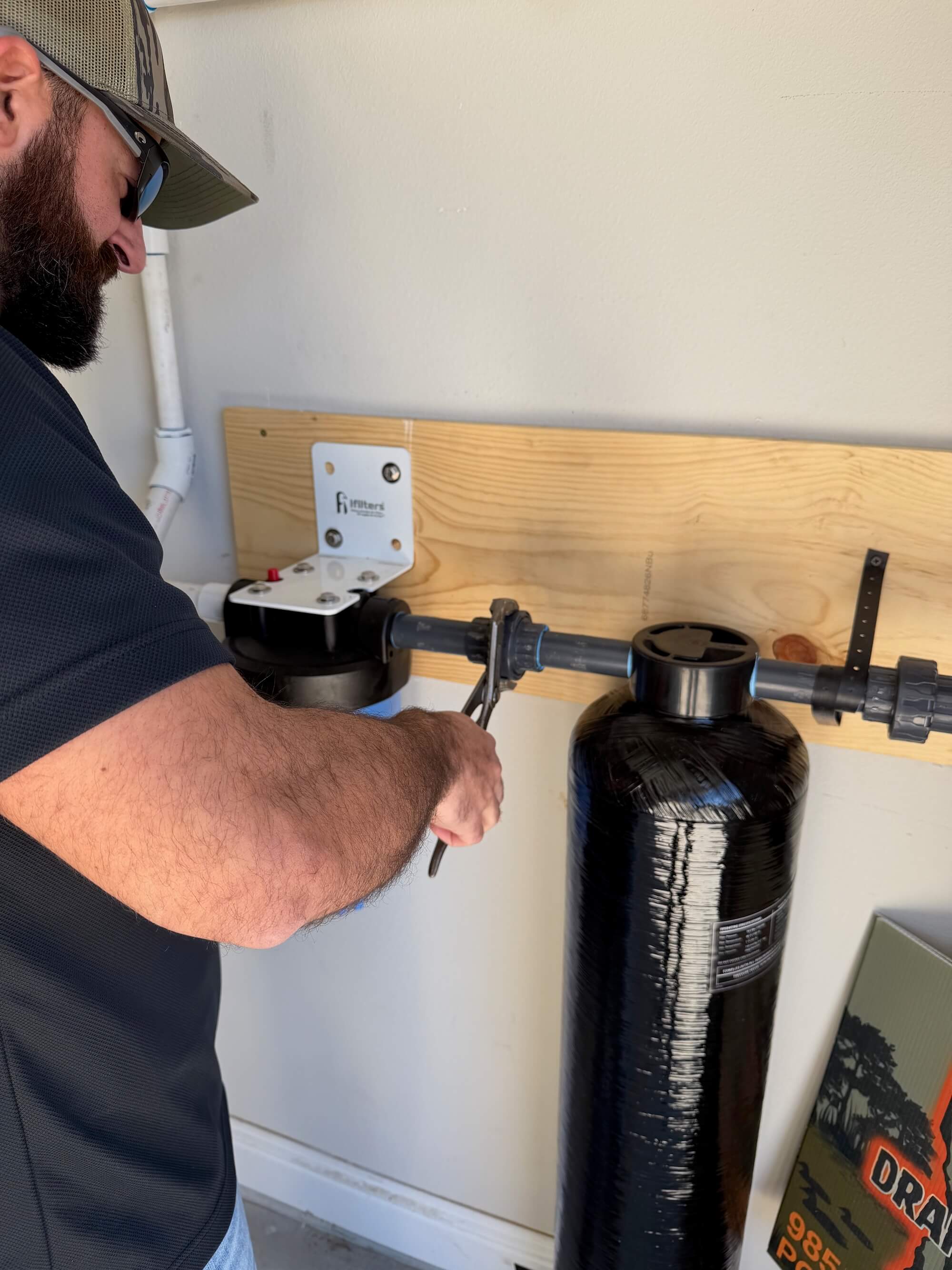
If you're calling a plumber about one leak after another, or your water comes out rusty and weak, patching may not be worth it anymore. Whole-house repiping replaces the old water supply lines in your home with new pipe, so you stop paying for the same problem over and over. Drake Plumbing handles repiping for homes and businesses across the Northshore, including Hammond, Ponchatoula, Covington, Mandeville and Slidell. We'll tell you honestly whether you need a full repipe or a smaller repair, and we explain the plan and the cost before any work begins.
Signs Your Home Needs Repiping
- Frequent leaks in different parts of the house.
- Rusty, brown or discolored water, especially first thing in the morning or after the water has been off.
- Low water pressure throughout the house, not just at one faucet.
- Visible corrosion, like green or white crusty spots on exposed pipe under sinks, in the attic or under a raised house.
- Old pipe materials such as galvanized steel or polybutylene.
- Repeated slab leaks that have already sent you looking for leak detection and slab leak repair more than once.
Older Pipe Common in Northshore Homes
The Northshore has a real mix of housing: older homes around the historic downtowns in Covington, Hammond and Ponchatoula, mid-century houses, raised camps along the rivers and newer subdivisions. The older the house, the more likely it still has original pipe that's past its prime.
Galvanized steel
Common in homes built before the 1960s, galvanized pipe rusts from the inside. The buildup narrows the pipe, cuts water pressure and can send rust into your water. Once it starts leaking, more leaks usually follow.
Polybutylene
This gray plastic pipe went into many homes from the late 1970s into the mid-1990s. It's known for failing without much warning, often at the fittings. If you see gray plastic supply lines, it's worth having them looked at.
Aging copper
Copper lasts a long time, but it can develop pinhole leaks, especially with certain water conditions or where lines rub against concrete in a slab.
Ground movement from clay soils, the wear of hurricane seasons and the occasional hard freeze on exposed pipe under raised homes all add stress to an older system.
How Our Repiping Process Works
- Inspect and explain. We look at your current pipe, check for leaks and pressure problems and tell you whether a full repipe makes sense or whether a smaller repair will do.
- Plan and price. If you need repiping, we walk you through the plan: which lines get replaced, the material options, where we'll need access and how long your water will be off. You get the cost before any work begins.
- Replace the pipe. We run new supply lines to your fixtures and water heater and make the connections. In many homes, new lines can run through the walls and attic or under a raised floor, so old pipe under a slab can be left out of service instead of dug up.
- Test and restore water. We check the new lines for leaks, run every fixture and turn the water back on.
- Walk you through it. We show you the main shutoff and answer any questions about the new system.
Repiping is also a good time to think about other upgrades. If your water heater is near the end of its life, we can talk about water heater installation or a tank-to-tankless conversion at the same time. Remodeling a kitchen or bathroom? Our plumbing installations cover new fixtures too.
Is It an Emergency?
A burst pipe or a major leak is. Shut off the main water valve right away and contact us, and see our emergency plumbing page for what to do while you wait. Repiping itself is usually planned, but if old pipe is leaking in more than one place, don't put it off too long.
Repiping Across the Northshore
We repipe homes and commercial buildings throughout Tangipahoa, St. Tammany and Livingston parishes. For local details, see our pages for a plumber in Covington and a plumber in Ponchatoula.
Frequently Asked Questions
How long does whole-house repiping take?
It depends on the size of the house, how it's built and how many fixtures it has. We'll give you an idea of the timeline along with the cost, so you can plan around having the water off.
Can you repipe just part of the house?
Yes, when it makes sense. If the problem is limited to one area, like a single bathroom or the lines under the slab, a partial repipe can fix it for less. If the whole system is the same old material, though, the rest of it is likely to fail too. We'll tell you what we see and let you decide.
How do I know what kind of pipe I have?
Look where pipes are exposed: under sinks, near the water heater, in the attic or under a raised house. Dull gray metal pipe with threaded fittings is usually galvanized. Gray flexible plastic is often polybutylene. Copper is reddish brown. If you're not sure, we can tell you when we come out.
Tired of chasing leaks in old pipe? Contact Drake Plumbing and we'll look at your system and explain your options and the cost before any work starts.