
Whole-Home Generator Installation
Local | Reliable | Trusted
we service both home and businesses

Residential Services
From general services on faucets and pipes to replacing water heaters and septic repair, we can do it all.

Commercial Services
Our plumbing specialists can work with contractors of all sizes for small repairs to large scale installations.


Standby generators installed and tied into your gas or propane supply, ready when the power goes out.
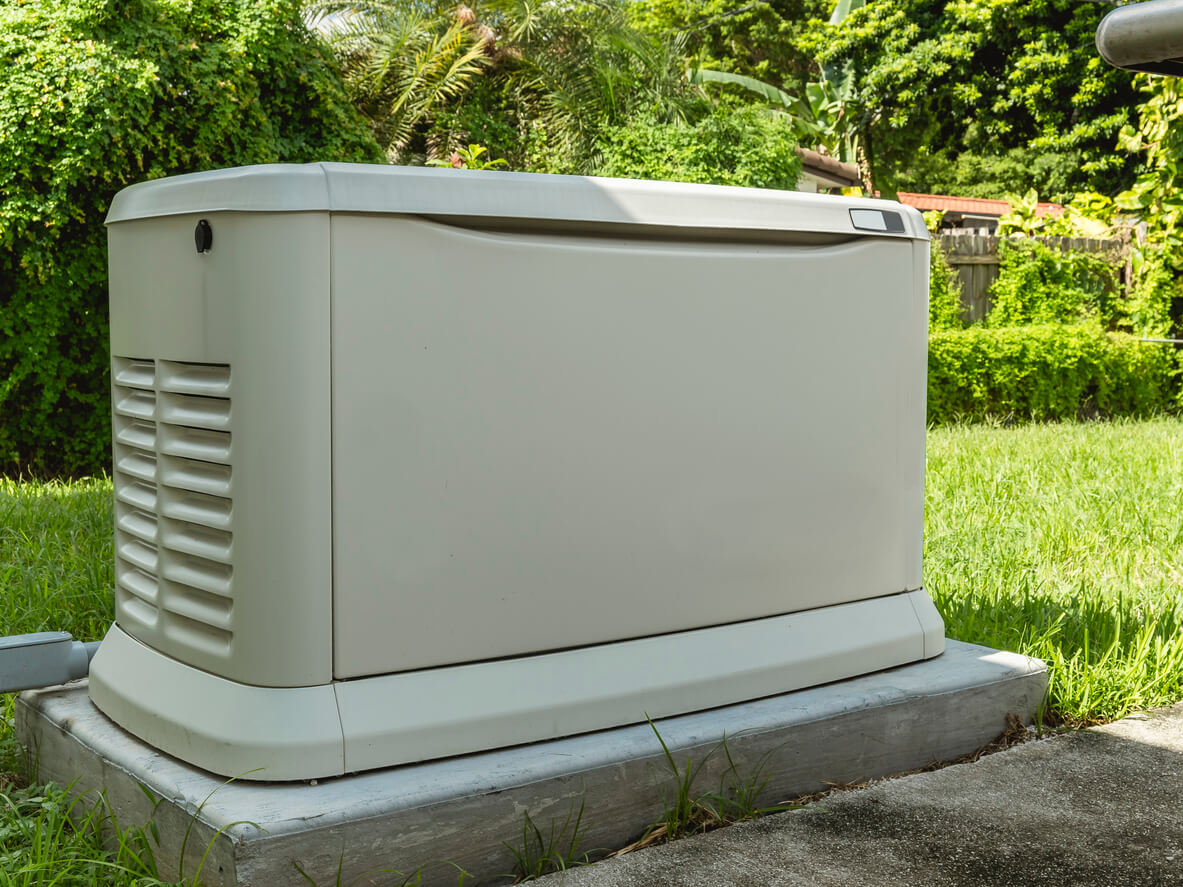
On the Northshore, losing power during hurricane season is a matter of when, not if. After Hurricane Ida in 2021, many homes in St. Tammany, Tangipahoa and Livingston parishes went without power for days, and some for much longer. A whole-home standby generator can keep your air conditioning, refrigerator and well pump running when the grid goes down. Drake Plumbing installs whole-home generators for homes and businesses across the Northshore, including Hammond, Ponchatoula, Covington, Mandeville and Slidell, and we handle the gas line hookup that powers them.
Why Choose a Standby Generator?
Portable generators help, but they come with trade-offs: refueling with gasoline in the middle of a storm, running cords through windows and the serious risk of carbon monoxide if one is run too close to the house. A standby generator is installed permanently outside your home, runs on natural gas or propane and starts on its own when the power goes out. When power comes back, it shuts itself off. Depending on its size, a standby generator can:
- Keep your air conditioning or heat running.
- Keep food cold in the refrigerator and freezer.
- Keep a well pump working so you still have water.
- Keep an aerobic septic system, which needs electricity, running.
- Power medical equipment.
- Protect a home office or small business from downtime.
Gas Line Hookup and Tie-In
A standby generator is only as reliable as its fuel supply, and that's where a plumber comes in. The generator needs a gas line sized for the fuel it burns at full load, on top of everything else in the house that uses gas. An undersized line can starve the generator or your other gas appliances when everything is running at once.
- Natural gas homes. We run a dedicated line from your gas supply to the generator. In some cases the gas utility may need to upgrade the meter to handle the added load, and we'll tell you if that's likely.
- Propane homes. Many rural homes on the Northshore use propane. The generator connects to your propane system, and the tank needs to be large enough to run it through a long outage. We'll talk through fuel use so you know what to expect.
Every gas connection is pressure tested before the system goes into service. Learn more on our gas line installation and repair page.
How We Handle Generator Installation
- Look at your home and your needs. We talk about what you want to keep running, where the generator can go and what your gas or propane supply looks like.
- Explain the plan and the cost. You'll know the scope of the job and the cost before any work begins. We won't push a bigger unit than you need.
- Install and connect. We set the generator, run and connect the gas supply and get the system hooked up to your home.
- Test it. We pressure test the gas line and run the generator to make sure it starts and runs properly.
- Show you how it works. We walk you through the basics and the upkeep it needs to be ready when a storm comes.
Plan Before Storm Season
Atlantic hurricane season runs from June 1 through November 30. The best time to install a standby generator is well before a storm is in the Gulf, when there's time to plan the location, size the gas line and get everything tested. Once a storm is in the forecast, everyone is trying to get ready at the same time.
Storm prep is also a good time to check the rest of your plumbing. A water heater near the end of its life is worth replacing on your schedule rather than after an outage, and our water heater installation page explains your options. If a storm does cause a plumbing problem, see our emergency plumbing page.
Generator Installation Across the Northshore
We install standby generators for homes and businesses throughout Tangipahoa, St. Tammany and Livingston parishes. For local details, see our pages for a plumber in Slidell and a plumber in Madisonville. Businesses can also learn about our commercial plumbing services.
Frequently Asked Questions
Can a standby generator run on propane if I don't have natural gas?
Yes. Standby generators are commonly set up for either natural gas or propane. Many rural Northshore homes use propane, and the generator can connect to your propane system as long as the tank is sized to handle it.
What size generator do I need?
It depends on what you want to run. Some people want to power the whole house, including central air. Others only need the essentials, like the refrigerator, a well pump and a few circuits. We'll go over your needs and explain the options and cost so you don't pay for more than you need.
Is it safe to run a portable generator in the garage?
No. Portable generators give off carbon monoxide, which can build up quickly even with the garage door open. Keep a portable generator outside and well away from doors and windows. A standby generator is built to be installed and run outdoors.
Ready to be prepared for the next outage? Contact Drake Plumbing and we'll look at your home and explain the plan and the cost before any work begins.