
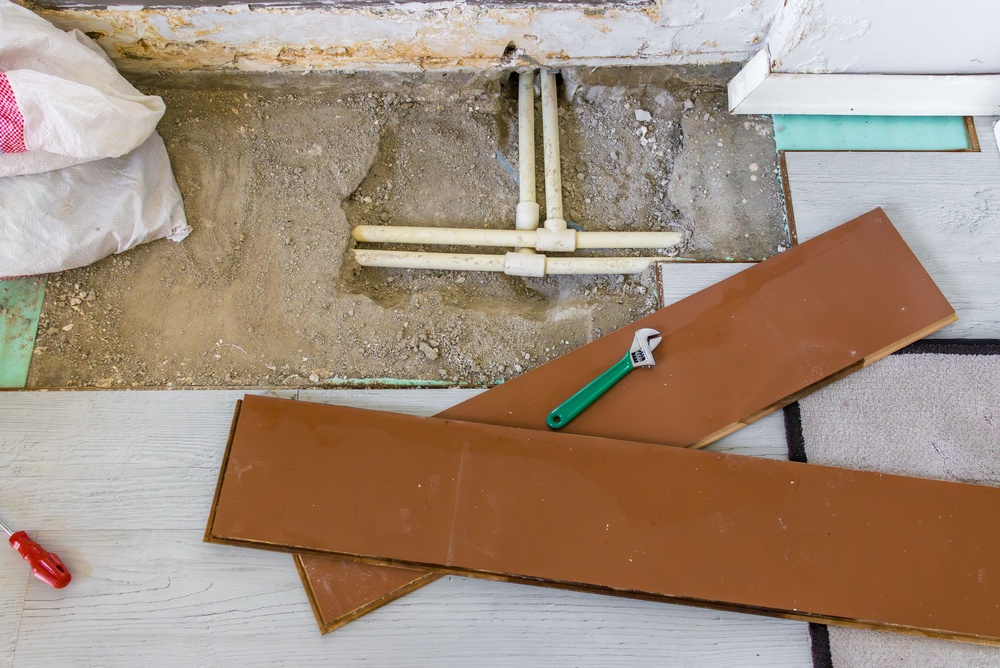
Repiping a House: Signs Your Plumbing System Needs an Upgrade
Plumbing pipes work behind walls, under floors, through ceilings, and beneath the home. Most days, no one thinks about them. Once leaks, rust, low water pressure, or strange water color start showing up, though, the plumbing system can become hard to ignore.
Older pipes can wear down little by little. A small leak may get repaired, then another shows up in a different room a few months later. At that point, paying for one repair after another may stop making sense. Repiping a house can give the plumbing system a fresh start by replacing old or problem pipes with newer piping that fits the home and current plumbing needs.
Drake Plumbing provides plumbing services for homeowners dealing with aging pipes, recurring leaks, low pressure, and other plumbing problems across the Northshore and nearby communities. When a home needs more than another patch, our team can inspect the system and explain whether repair, partial pipe replacement, or a larger repipe makes more sense.
What Does Home Repiping Mean?
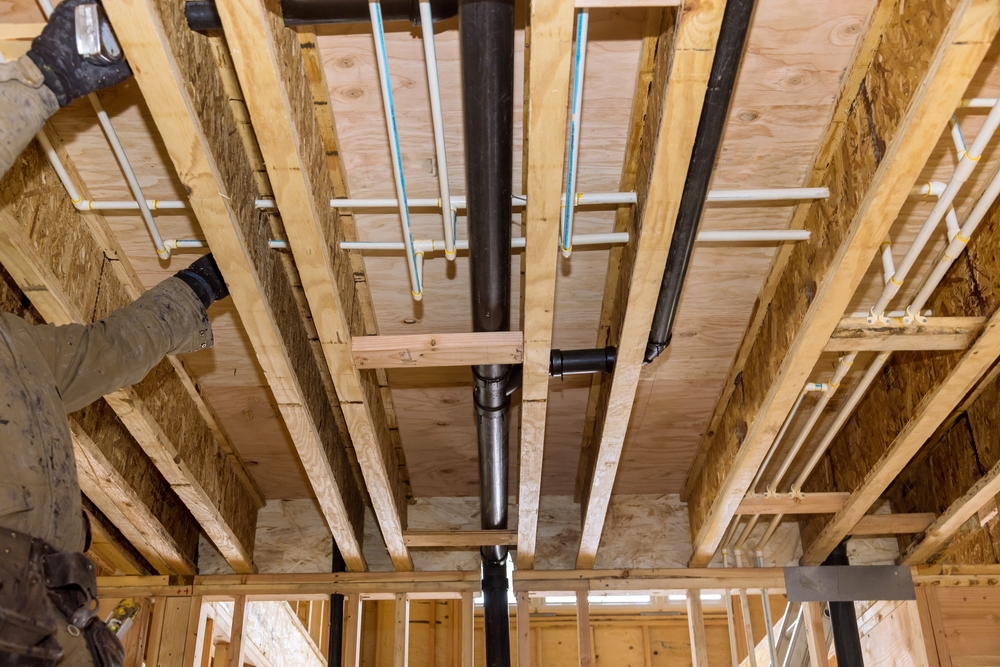
Home repiping involves replacing some or all of the water supply lines inside a house. The project may involve older galvanized steel, polybutylene, damaged copper, or another pipe material that has started causing problems.
Fixtures such as toilets, sinks, showers, tubs, and appliances don’t automatically need replacement during a repipe. If those fixtures remain in good working condition, the project can focus on the water lines feeding them.
Drake Plumbing provides plumbing installation for both full and partial repiping projects. Some properties need widespread pipe replacement. Others have one section or material type causing most of the trouble. An inspection helps determine the size of the job before work begins.
What Signs Point to Old or Failing Pipes?
A plumbing system often gives warning signs before a larger pipe problem develops. One sign on its own doesn’t always mean a repipe is needed. Still, several signs showing up together can point to aging pipes that deserve a closer look.
Leaks keep coming back in different places
One isolated leak can happen in almost any home. When new leaks continue to show up behind walls, under sinks, near ceilings, or around exposed pipe, the problem may involve the condition of the piping rather than one loose connection.
Water pressure has dropped across the home
Mineral buildup, corrosion, restricted pipe interiors, or hidden leaks can reduce flow. If several faucets or showers have weak pressure at the same time, the issue may go farther than one clogged aerator or fixture.
Water looks rusty, brown, or discolored
Old metal pipes can corrode from the inside. Discolored water can have several causes, so the first step is finding where the color comes from. If aging pipe is the cause, replacing pipes in house plumbing may be part of the fix.
The water has a metallic taste or unusual smell
Pipe corrosion can affect how water tastes or smells. Water quality concerns should never get brushed aside, especially in an older home with unknown pipe materials.
Visible pipes show rust, flaking, stains, or corrosion
Exposed pipe in garages, utility rooms, crawl spaces, and under sinks can provide clues about the rest of the system. If visible sections look heavily worn, hidden sections may be in similar shape.
Plumbing repairs have become a regular expense
A repair here and there is normal over the life of a house. Once pipe repairs start stacking up, putting more money into failing material may cost more over time than planning a repipe.
Why Pipe Material and Age Matter
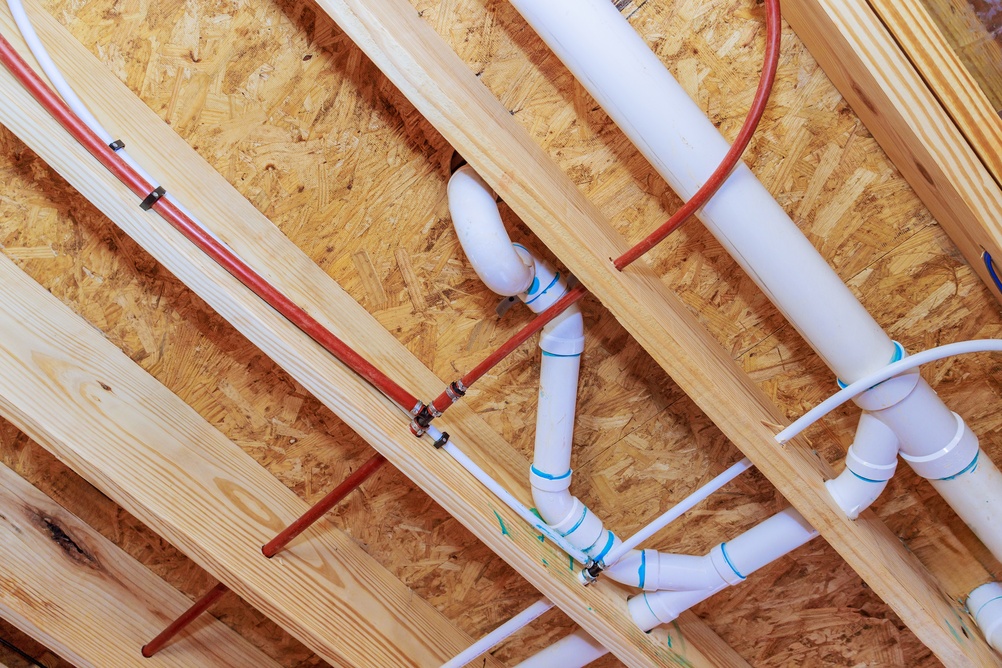
The type of pipe installed in the home can help explain recurring plumbing problems. Different materials wear in different ways, so the condition of the system matters just as much as its age.
Repiping a House With Galvanized Steel Pipes
Galvanized steel appears in many older homes. As the pipe ages, corrosion and mineral deposits can build along the inside walls.
That buildup reduces the space available for water to pass through. Homeowners may start noticing weaker flow, rusty water, or leaks as the pipe walls continue to wear.
If galvanized piping runs throughout the home and problems keep appearing, a larger repipe may make more sense than replacing short sections one at a time.
Repiping a House With Polybutylene Pipes
Polybutylene piping was installed in many homes in past decades and has a history of failure concerns in older properties.
Having polybutylene lines doesn’t automatically mean the entire system needs immediate replacement. Repeated leaks, damaged fittings, or visible wear are reasons to have the plumbing checked. Drake Plumbing can determine whether a partial replacement or broader project fits the condition of the house.
Repiping a House With Aging Copper Pipes
Copper piping can remain useful for many years, yet it can still develop problems.
Pinhole leaks, corrosion, water chemistry, aging joints, or poor earlier installation can affect copper lines. One isolated leak may need a straightforward repair. Several pinhole leaks in different areas may point to a wider issue.
Repiping a House Based on Pipe Condition
Age provides helpful background, but it doesn’t give the full answer.
A newer system with poor installation can develop trouble sooner than an older system that remains in good condition. Drake Plumbing looks at pipe material, visible wear, water pressure, previous leaks, access points, and how the plumbing performs throughout the house.
Older properties can raise questions about lead in drinking water too. The U.S. Environmental Protection Agency explains that lead can enter drinking water through plumbing materials containing lead, including some older pipes, solder, faucets, and fixtures. Homeowners can read more through the EPA’s information about lead in drinking water.
How Much Does It Cost to Repipe a House?
A common question is, “how much does it cost to repipe a house?” There isn’t one flat price that fits every home. The final cost depends on how much piping needs replacement and how easy the existing lines are to reach.
Several items can change the price:
Home size and number of plumbing fixtures.
A small one-story home with a simple layout will usually need less pipe and labor than a larger home with several bathrooms, an upstairs level, wet bars, laundry connections, and outdoor plumbing.
Pipe material selected for the project.
Different piping materials come with different material prices, fittings, installation steps, and job requirements. Drake Plumbing can explain suitable choices after looking at the house and current system.
Access to the current water lines.
Open crawl spaces, attics, and accessible wall routes can make pipe replacement more direct. Tight wall cavities, slab areas, finished ceilings, and hard-to-reach runs can add labor.
Full repipe versus partial repipe.
Some houses need most of the supply piping replaced. Other houses may need one wing, one floor, or one material type replaced. That difference can change the project size quite a bit.
Wall, ceiling, or finish repairs.
Pipe routes sometimes require openings in drywall or other finished surfaces. The amount of access work can affect the full project budget, so homeowners should ask what work is included in the estimate.
For a real number, the better route is an on-site evaluation. Drake Plumbing can inspect the system, explain what needs replacement, and provide a clearer scope before work starts.
What Happens During the Repiping Process?
A repiping job should begin with a look at the current plumbing system. Drake Plumbing checks the home’s pipe layout, fixtures, problem areas, shutoffs, visible piping, and likely access routes. From there, the repiping plan can be built around the house instead of using a one-size-fits-all approach.
Next, the new pipe routes are planned. In many homes, the goal is to limit unnecessary openings and keep access practical. During parts of the work, our plumbers may shut off the water service, so the homeowner knows what to expect before the project begins.
Our team then disconnects old problem lines and installs the new piping. We check connections, valves, and fixture feeds as the work moves forward. Once the system is ready, we test the lines for leaks and normal water flow.
Drake Plumbing’s repiping and plumbing installation services cover full and partial pipe replacement for homes with outdated galvanized or polybutylene piping and other pipe concerns.
Is a Full Repipe Better Than Repairing Another Leak?
Sometimes a repair is the right answer. A damaged fitting, isolated pipe crack, or one bad section may need nothing more than a focused repair. Yet repeated failures across the system tell a different story.
If one old section gets repaired and another section fails soon after, the homeowner may end up paying for repeated service calls, wall access, water damage cleanup, and patch work. For that reason, a full or partial repipe may make more financial sense once the existing pipe material has reached a point where failures keep spreading.
The choice should come from the condition of the system, not guesswork. Drake Plumbing can explain which sections still look serviceable and which sections have enough wear to justify replacement.
Can New Pipes Improve Water Pressure?
New piping can improve pressure or flow when old pipes are restricted by corrosion, buildup, poor sizing, or hidden leaks. For example, galvanized lines may narrow inside over time, leaving less room for water to move.
Still, low pressure can come from other problems. A pressure regulator, shutoff valve, water supply issue, fixture clog, or leak can create similar symptoms. That’s why a plumber should check the pressure before assuming the whole house needs new pipes.
If restricted or failing supply lines are the cause, repiping can help restore steadier flow to showers, sinks, toilets, laundry connections, and other fixtures.
When Should Homeowners Call Drake Plumbing?
Call Drake Plumbing when pipe problems stop feeling isolated and start becoming a pattern. Recurring leaks, visible corrosion, rusty water, weak pressure in several rooms, and older pipe materials are all good reasons to schedule an inspection.
Drake Plumbing serves homes across the areas we serve, including homeowners looking for a plumber in St. Tammany Parish, a plumber in Madisonville, LA, a plumber in Mandeville, LA, or a plumber in Covington, LA.
Service is available in nearby communities too, including homeowners who need a plumber in Hammond, LA or a plumber in Ponchatoula, LA. A local inspection can help show whether the next step should be repair work, partial replacement, or a larger repipe.
Get a Clear Plan From Drake Plumbing
Old pipes don’t always fail all at once. More often, the warning signs build over time: another leak, weaker pressure, rust on exposed pipe, or water that no longer looks right. Once those problems become a pattern, repiping a house may be more practical than continuing to patch an aging system.
Drake Plumbing can inspect the piping, explain what is happening, and recommend a repair, partial repipe, or full home repiping plan based on the condition of the house. The goal is simple: fix the real plumbing problem and give the home a dependable water system.
To schedule an inspection, call (985) 703 0477 or use the Drake Plumbing contact page to request service.
Frequently Asked Questions About Home Repiping
How Long Does Repiping a House Take?
Project time depends on the size of the home, number of fixtures, pipe routes, access, and how much of the system needs replacement. A smaller partial repipe can take less time than a whole-house project. Drake Plumbing can give a clearer work schedule after inspecting the property.
Do Walls Have to Be Opened?
Some wall or ceiling access may be needed to reach hidden water lines. A plumber can often plan routes that keep openings limited, yet each home has a different layout. Before work begins, ask where access points are expected and what finish repairs may follow.
Can Homeowners Stay in the House During the Work?
Many homeowners can remain at home during a repiping project, depending on the scope of work. Water may be unavailable for parts of the day, so planning ahead helps. Drake Plumbing can explain expected shutoff periods and the work areas before the job starts.
Is Partial Home Repiping an Option?
Yes, in some homes. A partial repipe may make sense when one area or one type of pipe has failed and the rest of the system remains in workable condition. If old problem piping runs throughout the home, a full repipe may be the cleaner long-term choice.
Should Old Pipes Be Replaced Before a Leak Happens?
That depends on the pipe material, age, condition, repair history, and signs of corrosion. A home doesn’t need pipe replacement solely based on the age of the plumbing. Yet an inspection can help catch weak sections before a hidden leak causes damage.

