
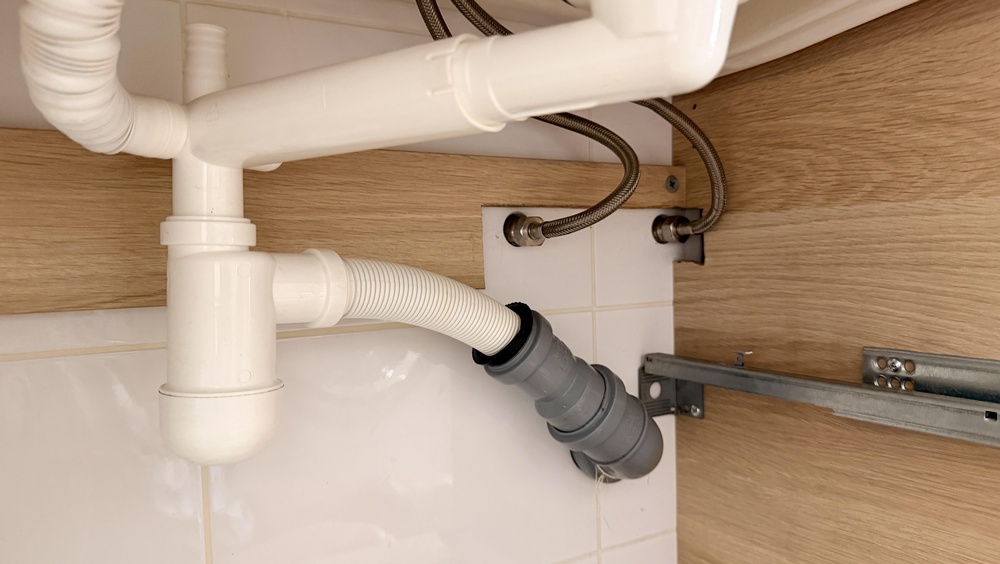
Installing Sink Drain Plumbing in an Existing Bathroom or Kitchen
Replacing a sink can look like a simple home project until the drain piping underneath doesn't line up with the new fixture. The sink may sit higher or lower, the drain opening may shift, an old P-trap may no longer fit, or the pipe in the wall may have years of buildup. At that point, installing sink drain plumbing becomes more than tightening a few fittings.
Drake Plumbing helps homeowners handle sink drain work without guesswork. A proper drain setup needs a clear path for wastewater, a working trap, secure joints, the right pipe layout, and a connection that matches the existing plumbing system. If one part is off, the result may be a slow drain, a bad smell, a cabinet leak, or repeated clogs.
For homeowners planning a bathroom update, kitchen remodel, sink replacement, or fixture move, this guide explains what happens during Installing Sink Drain Plumbing in an Existing Bathroom or Kitchen and why professional help can save time and prevent repairs later.
Key Takeaways
- The new sink must match the existing drain layout or the piping must be adjusted. A replacement sink may place the drain opening in a different spot than the old one. For that reason, the trap arm, tailpiece, P-trap, or wall connection may need changes before everything can connect correctly.
- A P-trap does more than carry water away. The curved section holds a small amount of water that blocks sewer gases from coming back through the sink drain. So, when installing sink drain plumbing, the trap needs the right position and a sound connection to the rest of the drain system.
- Leaks often show up at joints, washers, and slip nuts. A fitting may look tight yet still drip once the sink gets regular use. After installation, each joint should be checked under running water and again with a full basin draining at once.
- Existing plumbing can change the scope of the job. Old piping, corrosion, poor past repairs, limited cabinet space, or an off-center wall drain can turn a basic replacement into a larger plumbing job. In that case, Drake Plumbing can correct the layout instead of forcing new parts onto a bad setup.
What the Drain System Needs to Do
A sink drain has a simple job: move wastewater from the basin into the home's drain system without leaking or letting sewer gases enter the room. Still, several parts have to work together for that job to happen day after day.
Installing Sink Drain Plumbing With the Right Drain Parts
The sink drain body sits in the drain opening and seals against the basin. From there, a tailpiece carries water down to the P-trap. The P-trap holds the water seal, then connects to the trap arm that runs into the wall or another approved drain connection.
Each of these parts needs to line up naturally. A crooked fitting or stretched connection can create stress that leads to dripping later.
Installing Sink Drain Plumbing With Proper Venting
Next, the drain system needs proper venting. Venting helps air move through the piping so water can drain without pulling the water out of the trap.
Poor venting can lead to gurgling, slow drainage, or trap problems. In some cases, a drain may appear clear but still drain poorly because airflow through the plumbing system isn't working as it should.
Installing Sink Drain Plumbing With a Smooth Drain Path
At the same time, the piping needs a layout that lets water move in the correct direction. Sharp turns, mismatched parts, poor alignment, and improvised fittings can create places where debris collects.
Drake Plumbing's plumbing services cover drain, fixture, and installation work for homeowners dealing with these types of problems.
What Happens Before the New Drain Goes In
Before new parts are installed, the existing sink and piping need a close look. This step matters since many drain problems start with old connections hidden inside the cabinet or behind the wall.
Starts With Inspecting the Existing Pipes
A plumber checks the drain opening, pipe size, pipe material, wall connection, trap position, cabinet space, and the location of the new sink drain.
The inspection helps show whether the existing piping can stay in place or whether parts need to be replaced before the new sink is connected.
Removing Old Fittings
Next, the old fittings can be removed without damaging piping that will stay in service.
In many homes, the old setup has been changed more than once. There may be extra couplings, flexible drain pieces, corroded metal, or fittings placed at odd angles.
Rather than copying that setup, Drake Plumbing can plan a cleaner connection through its plumbing installation services.
Checking More Than the New Sink
The condition of the existing drain matters just as much as the new fixture. A new sink connected to worn-out plumbing can still leave the homeowner with leaks or poor drainage.
Checking the full setup before installation can prevent the new fixture from being connected to a pipe that already needs repair.
How to Install a Bathroom Sink Drain Plumbing Setup
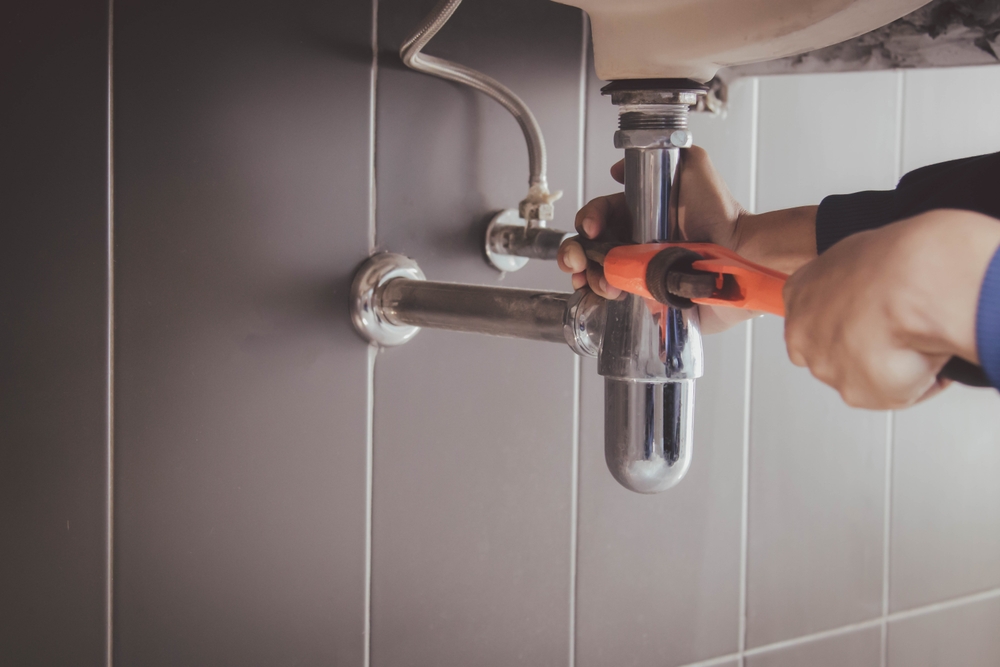
Homeowners searching for how to install a bathroom sink drain plumbing setup usually have a vanity sink, pop-up drain, tailpiece, and P-trap to connect. The exact parts can vary, yet the basic process follows the same path.
1. Starts With the Drain Assembly
The drain body fits into the sink opening with the proper seal for that fixture. Then, the lower hardware is tightened enough to create a watertight connection without putting excess stress on the sink.
A poor seal around the drain body can allow water to seep into the vanity cabinet, so this connection needs to sit flat and secure.
2. Requires the Right Tailpiece Length
The tailpiece runs down from the sink drain and provides the vertical section that meets the trap.
Its length may need adjustment so the P-trap sits in a natural position instead of being pushed or twisted into place. A tailpiece that's too long or too short can make the rest of the drain harder to align.
3. Includes Fitting the P-Trap
The curved trap connects the tailpiece to the horizontal pipe heading to the wall.
From there, the trap arm needs to line up with the existing drain connection so the joints sit straight and seal properly. If the new vanity or sink changes the drain location, the trap may need repositioning.
4. Ends With Testing the Drain
Once the piping is connected, the stopper should open and close correctly.
After that, water can run through the sink, followed by a full-basin drain test to check flow and every exposed joint.
Bathroom vanities can make this job tricky when drawers, shelves, or a changed sink depth leave less room than the old setup had. A careful dry-fit before final tightening can prevent several problems.
How to Install Kitchen Sink Drain Plumbing Correctly
The process to install kitchen sink drain plumbing can involve more parts than a bathroom sink. A kitchen may have two bowls, a garbage disposal, a dishwasher connection, deeper basins, or a different drain position after new countertops go in.
Installing Sink Drain Plumbing Around a Deeper Kitchen Sink
Replacing a shallow double-bowl sink with a deep single-bowl sink can lower the drain outlet.
As a result, the existing wall connection may sit too high for the new trap layout. Trying to force the pieces together can create poor drainage or a leak-prone setup.
Installing Sink Drain Plumbing With a Garbage Disposal
A garbage disposal changes the height and position of the drain outlet under the sink.
The disposal discharge needs to line up with the rest of the drain system, and the trap still needs enough room to sit correctly. If the wall drain is too high, a new disposal may not drain properly without changes to the existing piping.
Installing Sink Drain Plumbing With a Dishwasher Connection
Dishwasher drainage may need attention when a sink or disposal changes.
The connection should match the appliance instructions and local plumbing requirements. A poor dishwasher drain connection can lead to dirty water backing up or draining in the wrong direction.
Installing Sink Drain Plumbing for Better Kitchen Drain Flow
A kitchen drain has to handle food residue, grease, soap, and a higher volume of wastewater. A smooth pipe path helps reduce places where material can collect.
Drake Plumbing can review the full kitchen setup, make the needed drain changes, and connect the sink so the cabinet area stays clean and serviceable.
What Plumbing a Sink Drain Pipe Involves
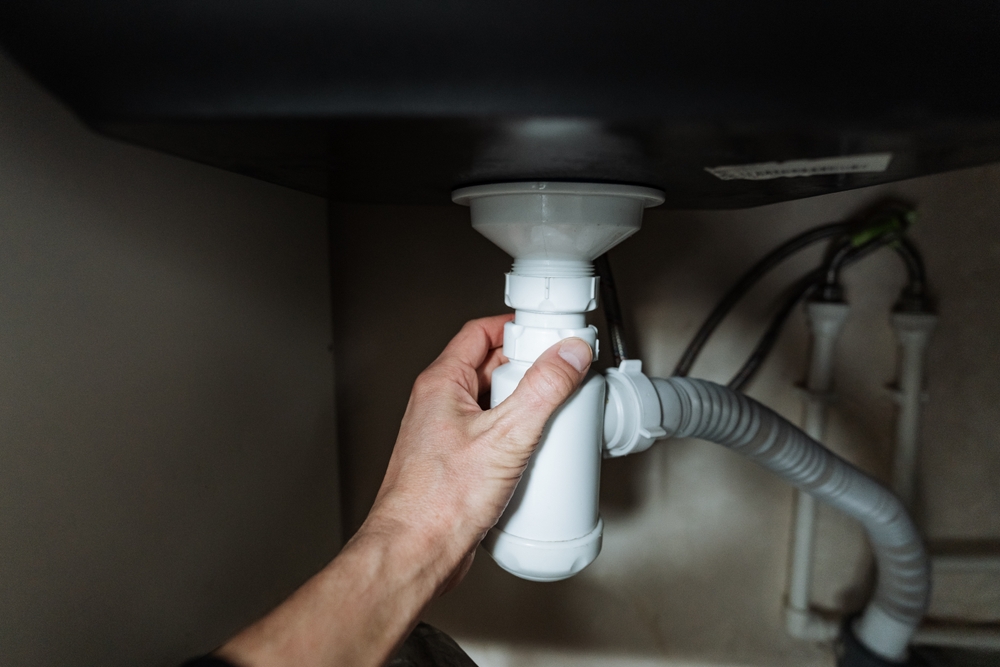
Plumbing a sink drain pipe isn't just a matter of making two ends touch. The pipe path has to make sense from the sink to the existing drainage system.
It May Require Pipe Adjustments
The plumber may need to shorten a tailpiece, replace a trap adapter, rebuild a P-trap, adjust the trap arm, or repair the drain connection in the wall.
In some cases, old metal piping may need replacement where corrosion has weakened the connection.
It Requires Straight, Secure Connections
Every fitting needs to sit square. Slip-joint connections rely on the nut and washer seating correctly around the pipe.
If a pipe enters the fitting at an angle, tightening the nut harder may not solve the leak. Instead, the pipe layout should be corrected so each fitting joins naturally.
It Should Include Leak Testing
Once the layout is correct, the system gets tested under normal flow and heavier flow.
This catches small drips that may not appear during a quick faucet test. Filling the basin and draining it all at once puts more water through the piping and can reveal weak joints.
The Louisiana Department of Health provides information on plumbing requirements and sanitary systems in the state.
Common Problems in Existing Kitchens and Bathrooms
Existing rooms can hide issues that don't show up until the old sink comes out. A homeowner may expect a simple swap and find a rusted drain stub, a cracked fitting, or a wall drain that doesn't line up with the new fixture.
When the New Sink Doesn't Line Up
A new sink drain may sit too low or too far to one side. This often happens with deeper sinks or a vanity that places the basin in a new position.
In that case, part of the drain layout may need to be rebuilt so the trap connects without strain.
A Worn P-Trap
An old P-trap may be damaged or badly corroded.
Reusing a worn trap can save a small amount at the start, yet it can create a leak soon after. A sound replacement gives the new sink a cleaner starting point.
When the Drain Runs Slowly
A slow drain can appear right after the sink goes in.
The cause may be an old clog farther down the line, a poor pipe layout, or a venting issue. Replacing visible parts alone may not fix the real drain problem.
When Water Leaks Into the Cabinet
A loose slip nut, damaged washer, poor drain seal, or stressed fitting can cause a small leak.
Cabinet leaks can soak wood before anyone notices, so testing the system right after the work is a smart step.
The U.S. Environmental Protection Agency recommends checking under sinks and around pipe connections for signs of leaks as part of regular home maintenance.
Why DIY Drain Work Can Go Wrong
A sink drain kit from a hardware store can make the job look easy. Existing homes rarely match the picture on the package perfectly.
It Can Become Hard When Parts Don't Match
A homeowner may find that the wall pipe is too high, the trap reaches at an angle, the new sink is deeper, or the old fittings use different materials.
Adding extra bends or flexible pieces may seem like a quick fix. Those shortcuts can make the drain harder to clean and more likely to leak or clog.
It Can Fail From Overtightened Fittings
Plastic slip-joint nuts need enough pressure to seal, but too much force can damage washers or crack fittings.
Connections that are too loose can drip as soon as the sink fills and drains. The goal is a secure connection with the pipe lined up correctly rather than relying on extra force.
It May Require More Than a Basic Repair
Hiring Drake Plumbing makes sense when the new sink doesn't line up with the old drain, the piping looks worn, or the project includes moving fixtures.
Professional plumbing installation can give the new sink a drain setup that fits the room and the existing system.
When to Call Drake Plumbing
A basic trap replacement may be manageable for someone with plumbing experience and the right tools. Still, professional service is a smart choice when the project reaches beyond a simple like-for-like replacement.
Installing Sink Drain Plumbing May Need Professional Help
Call Drake Plumbing when the wall drain needs to move, old piping is corroded, the cabinet layout has changed, a new disposal is being added, the drain keeps leaking, or the sink drains slowly after new parts are installed.
A plumber can check the full drainage setup rather than replacing one part and hoping the rest of the system works correctly.
Installing Sink Drain Plumbing Across the Local Service Area
Drake Plumbing serves homeowners across the local service area, including customers looking for a plumber in St. Tammany Parish, a plumber in Madisonville, LA, a plumber in Mandeville, LA, and a plumber in Covington, LA.
Service is available in more communities too, including homeowners searching for a plumber in Hammond, LA or a plumber in Ponchatoula, LA.
Visit the Areas We Serve page for more location information.
Installing Sink Drain Plumbing: Finish the Job With Drake Plumbing
Installing sink drain plumbing in an existing bathroom or kitchen can be simple when the new fixture matches the old setup. Yet a changed sink depth, worn piping, a poor wall connection, or an awkward trap position can quickly turn a small project into a plumbing repair.
Drake Plumbing can inspect the existing drain, replace worn parts, correct the pipe layout, connect the new sink, and test the finished system for proper drainage and leaks. That gives the project a clean, practical setup instead of a collection of temporary fixes under the cabinet.
For help with a bathroom sink, kitchen sink, drain connection, fixture replacement, or related plumbing services, call Drake Plumbing at (985) 703-0477 or visit the Contact Page to request service.
Frequently Asked Questions
Can a new sink connect to the existing drain pipe when installing sink drain plumbing?
Yes, in many cases. The answer depends on the new sink's drain position, depth, pipe size, trap location, and condition of the existing piping.
If those parts line up properly, much of the current drain may stay in place. If not, Drake Plumbing can change the exposed piping or make a larger correction where needed.
What is the purpose of the P-trap when installing sink drain plumbing?
The P-trap holds a small water seal that helps block sewer gases from entering the room through the sink drain.
It creates a removable section where certain debris may collect. A properly fitted trap should connect cleanly without being stretched or twisted.
Why does a sink drain slowly after installing sink drain plumbing?
A slow drain can come from a partial clog, poor pipe alignment, a venting problem, or an issue farther down the drain line.
A new sink doesn't automatically fix an older drainage problem. Testing the drain after installation helps show whether more work is needed.
Can a kitchen sink drain be moved when installing sink drain plumbing for a deeper sink?
Yes, drain piping can often be changed for a deeper or differently positioned sink.
The amount of work depends on the cabinet, wall connection, disposal setup, and existing drain height. A plumber can check the available space and choose a workable pipe layout.
How can homeowners check for leaks after installing sink drain plumbing?
Run the faucet and watch each connection under the sink.
Next, fill the basin partway and release the water so the drain handles a heavier flow. Then, wipe each joint with a dry paper towel or cloth to spot moisture that may be hard to see.

