

How to Detect Water Leaking in Your Home Before It Causes Major Damage
A hidden leak can start small, stay quiet, and then turn into warped floors, stained walls, mold, and a water bill that makes your jaw drop. That is why homeowners need to detect water leaking early, before a simple repair turns into a big mess.
Drake Plumbing helps homeowners find leaks every day. In many homes, the first signs are easy to miss. A musty smell, a soft spot in the floor, peeling paint, or a toilet that keeps running can all point to water going where it should not go. The good news is that a few simple checks can help catch trouble early. Then, if the leak is hidden behind a wall or under a slab, Drake Plumbing can track it down and fix it the right way.
If help is needed from a Plumber in St Tammany Parish, Drake Plumbing is ready to step in.

Detect Water Leaking Early So Small Problems Stay Small
Water has a way of sneaking into places a homeowner does not check every day. It can drip under a sink, seep into drywall, collect near a water heater, or run under flooring for weeks. At first glance, the damage may seem minor. A little stain on the ceiling may not look like much. A faint odor in the bathroom may seem easy to ignore. Still, those signs often point to a leak that is already doing damage out of sight.
That is why it pays to detect water leaking as soon as possible. Fast action can help protect cabinets, trim, paint, flooring, and even the frame of the house. It can save money on repairs, cut down on water waste, and stop a bad situation from getting worse.
How to Detect Water Leaking by Watching for Common Warning Signs
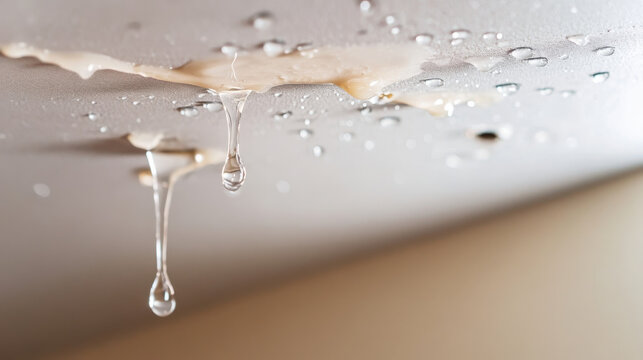
A leak does not always show up as a big puddle. In fact, some of the worst leaks stay hidden for a long time. Here are signs Drake Plumbing tells homeowners to watch for:
A sudden rise in the water bill.
If water use has not changed much, yet the bill jumps, a leak may be the reason. A running toilet, a dripping pipe, or a hidden line leak can waste a lot of water day after day. That extra cost adds up fast, so this is one of the clearest signs that water leak detection is worth looking into.
Stains on ceilings or walls.
Brown, yellow, or damp spots often mean water is moving where it should not. The source may be above the stain, behind it, or even a short distance away. Water travels, so the spot seen on the surface is not always the place where the leak began.
Musty smells that do not go away.
If a room smells damp or stale, hidden moisture may be trapped in the wall, under flooring, or behind cabinets. That smell is often one of the first clues for homeowners trying to learn how to detect water leaks before major damage sets in.
Soft flooring or loose tiles.
A floor that feels spongy underfoot is a red flag. Water can weaken wood, loosen tile adhesive, and ruin subflooring. If a section of the floor feels different from the rest, it should be checked.
Peeling paint or bubbling drywall.
Paint should not bubble for no reason. Drywall should not swell or crack without a cause. If those changes show up, trapped moisture may be pushing out from behind the surface.
The sound of running water with no fixture on.
Quiet houses tell on themselves. If no faucet, shower, dishwasher, or washer is running, yet a hissing or trickling sound can still be heard, there may be a hidden leak in the plumbing system.
Where to Detect Water Leaking in the Most Common Trouble Spots
Some parts of the home are more likely to hide a leak. A smart plan is to check those areas first.
Under Sinks
Look under bathroom and kitchen sinks with a flashlight. Check the shut-off valves, supply lines, drain fittings, and the bottom of the cabinet. If the wood feels damp, stained, or warped, water has probably been collecting there for a while. Even a slow drip can ruin a cabinet base.
Around Toilets
Toilets are one of the biggest leak sources in many homes. Check the floor around the base. If it feels soft, rocks under pressure, or smells bad, the seal may be failing. Lift the tank lid and listen. If water keeps moving long after the flush, the toilet may be running.
EPA WaterSense says a simple meter check can help spot a leak, and a few drops of food coloring in the toilet tank can reveal a silent toilet leak if color shows up in the bowl after several minutes.
Around Water Heaters
Look for rust marks, corrosion, dampness, or small puddles near the base of the unit. A water heater leak can start slowly and then fail without much warning. If the area around the heater never seems fully dry, it needs attention.
Behind Appliances
Washing machines, dishwashers, and refrigerators with water lines can all leak. Pull the appliance out if it is safe to do so. Check the hoses, fittings, and floor behind the unit. A hidden drip back there can damage the wall and flooring for a long time before anyone sees it.
Near Tubs and Showers
Check caulk lines, grout joints, access panels, and nearby walls. If paint on the other side of the shower wall starts peeling, that is a clue. If the floor near the tub feels soft, water may be escaping during daily use.
How to Detect Water Leaking in a House With a Water Meter Test
One of the best ways to learn how to detect water leak in house plumbing is with a simple meter test.
- Turn off all faucets and water-using appliances. Give it a few minutes so nothing is filling or cycling.
- Go outside and read the water meter. Take a picture if needed.
- Do not use any water for a set period, such as one to two hours.
- Check the meter again.
If the reading changed, water is likely moving through the system somewhere. That does not always tell exactly where the leak is, yet it does tell a homeowner that the next step matters. That is usually the point where Drake Plumbing can help with leak location and repair.
When Detect Water Leaking Turns Into a Job for Drake Plumbing
Some leaks are easy to spot. Others are buried in walls, under concrete, or in lines that do not show any clear sign at the surface. That is where a trained plumber saves time and stress.
Call Drake Plumbing if any of these signs show up:
Water damage keeps getting worse, even after basic checks.
If the stain grows, the odor gets stronger, or the floor feels softer by the day, the leak is still active. At that point, guessing can waste time and money.
The meter points to a leak, yet the source cannot be found.
This often means the water is hidden in a wall, ceiling, crawl space, or underground line. Professional water leak detection helps narrow it down without tearing the whole house apart.
A slab leak may be the issue.
Warm spots on the floor, cracks, damp flooring, or the sound of water under the house can point to a slab leak. That type of problem needs fast action.
A home is in Drake Plumbing’s service area and needs local help right away.
Homeowners looking for a Plumber in Madisonville, LA, Plumber in Mandeville, LA, Plumber in Covington, LA, Plumber in Hammond, LA, or Plumber in Ponchatoula, LA can count on Drake Plumbing for prompt service.
Contact Drake Plumbing for Water Leak Detection Services in Louisiana
The sooner a homeowner can detect water leaking, the better the outcome usually is. A fast response can stop damage, lower repair costs, and keep a small drip from turning into a major headache. If there is any doubt, it is better to get the plumbing checked now than wait for stains, mold, or floor damage to spread.
Drake Plumbing is ready to help homeowners find the source, fix the leak, and protect the home from more damage. To schedule service, call (985) 703 0477 or reach out through the Contact Page.
FAQs About How to Detect Water Leaking
How can a homeowner detect water leaking behind a wall?
Common signs include peeling paint, soft drywall, stains, moldy smells, and a faint sound of dripping or running water. A meter test can back up that suspicion. If the wall is wet and the source is still unclear, a plumber should check it.
What is the easiest way to learn how to detect water leaks at home?
Start with the simple stuff. Check the water bill, listen for running water, inspect under sinks, test toilets, and watch the water meter. Those steps catch many common leaks.
Can a small leak really cause major damage?
Yes. A slow drip can soak wood, drywall, insulation, and flooring over time. Small leaks are sneaky, and they often keep working long after the first sign shows up.
What does water leak detection usually involve?
It depends on the home and the leak. Sometimes a visual check finds the problem right away. In other cases, a plumber may use tools and testing methods to pinpoint hidden moisture and narrow down the leak path.

