
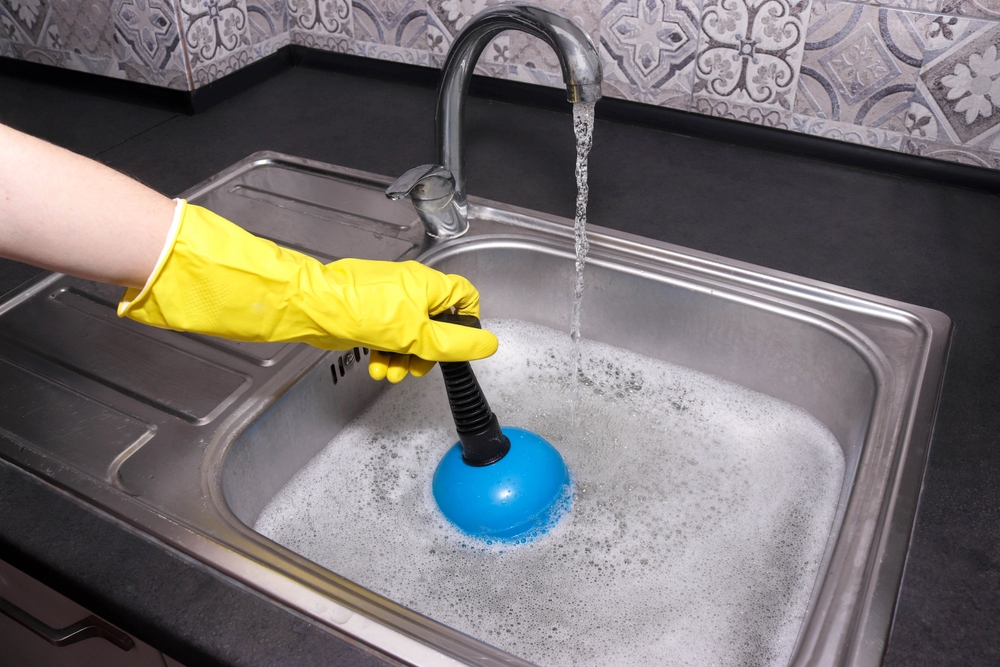
How to Clear a Clogged Drain: Step-by-Step Guide for Homeowners
A slow drain often starts as a small annoyance. Water sits in the sink, soap scum builds up, and that gurgling sound starts to creep in. Many homeowners ask the same question: what’s the right way to fix this without making it worse? This guide explains how to clear a clogged drain using safe, practical steps that protect pipes and save time.
Clogs form from grease, hair, food waste, soap residue, and debris that sticks to pipe walls. Over time, that buildup narrows the opening. Water can’t pass freely, so pressure increases and drainage slows down. Acting early makes a big difference. A fresh clog is easier to remove than one that’s been sitting for months.
How to Clear a Clogged Drain With Hot Water and Soap
This first plumbing repair method works best on kitchen sinks with grease buildup. It’s simple, safe, and worth trying before tools come out.
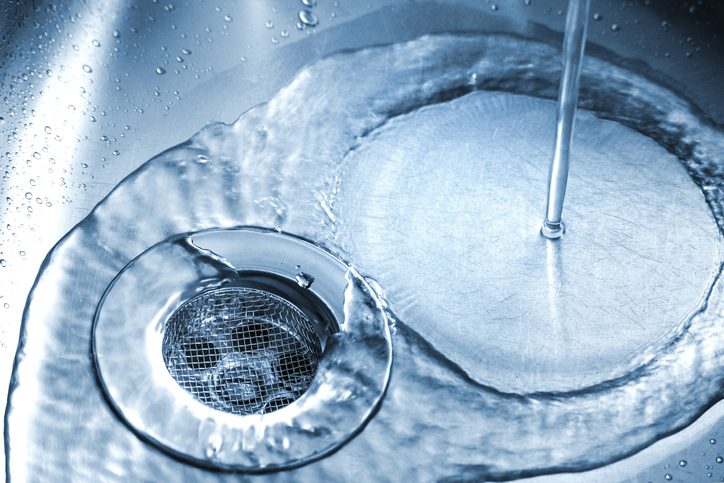
- Start by boiling a full kettle of water and mixing it with dish soap. The hot water softens grease, and the soap breaks it apart. Pour the mixture slowly into the drain instead of dumping it all at once. A steady pour allows heat to travel deeper into the pipe and loosen residue that sticks to the walls. Wait a few minutes after pouring so the heat has time to work.
- Run warm tap water right after the mixture settles. This flush pushes loosened grease further down the line. If drainage improves even a little, repeat the process. Small improvements signal that the buildup is breaking apart. Persistence helps in early-stage clogs, and repeating the flush often clears the pipe fully.
This step answers a common version of the question, “how do you clear a clogged sink?” Sometimes the simplest method handles the job.
How to Clear a Clogged Drain With a Plunger
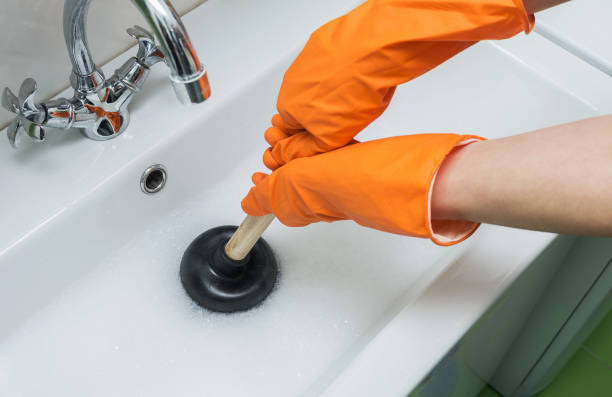
A plunger creates pressure that pushes and pulls the clog until it breaks loose. It’s one of the most effective household tools when used correctly.
- Seal the overflow opening and create strong suction. Bathroom sinks and tubs have overflow holes that let air escape. Cover that opening with a wet cloth before plunging. Without a seal, pressure escapes and the plunger loses strength. Press the plunger firmly over the drain and pump with steady force.
- Use short, quick plunges instead of slow pushes. Rapid pressure changes shake the clog loose faster than gentle motions. After several plunges, lift the plunger and test the drain. If water drains faster, keep going. Progress means the clog is breaking apart and moving down the pipe.
This method works well for homeowners wondering, “how do I clear a clogged drain” without chemicals.
How to Clear a Clogged Drain by Cleaning the Trap
Under most sinks sits a curved pipe called a P-trap. It catches debris before it enters deeper plumbing lines. Cleaning it often removes the clog entirely.
- Place a bucket under the trap and loosen the fittings by hand. Water and debris will spill out once the trap disconnects. The bucket protects cabinets and flooring from a mess. Slide the trap off slowly and inspect inside. Hair, food scraps, and sludge collect there more often than homeowners expect.
- Rinse the trap thoroughly and scrub inside if needed. A bottle brush works well for scraping residue. Once clean, reconnect the trap tightly by hand. Run water to confirm the seal holds. A cleaned trap restores normal flow in many household clogs.
For added safety tips about plumbing systems, review guidance from the U.S. Environmental Protection Agency
How to Clear a Clogged Drain Without Damaging Pipes
Chemical drain cleaners promise instant results. They can weaken pipes, create toxic fumes, and cause injury if splashed. Mechanical methods remain safer and more reliable.
- Use a drain snake or hand auger for deeper clogs. Feed the tool slowly into the drain and rotate it as it moves forward. The tip grabs hair and debris instead of pushing it deeper. Pull the snake back carefully and dispose of the material immediately. Repeating this process often clears stubborn blockages.
- Flush the drain with hot water after snaking. This final rinse removes leftover residue. A smooth flow confirms success. If water still drains slowly, the clog may sit deeper in the system, and professional tools may be needed.
At that point, continuing to force tools into the line risks pipe damage.
When Professional Help Is the Smart Choice After Trying How to Clear a Clogged Drain
Some clogs resist every household method. Recurring backups, foul smells, and multiple drains clogging at once point to a deeper issue in the main line. These problems call for professional inspection.
Drake Plumbing provides fast service across the area, including:
- Plumber in St Tammany Parish
- Plumber in Madisonville, LA
- Plumber in Mandeville, LA
- Plumber in Covington, LA
- Plumber in Hammond, LA
- Plumber in Ponchatoula, LA
Professional drain cleaning removes buildup fully instead of pushing it around. Camera inspections reveal hidden damage or root intrusion that homeowners can’t see.
Contact Drake Plumbing for Plumbing Repairs in Louisiana
Learning how to clear a clogged drain helps homeowners act quickly and avoid bigger repairs. Hot water flushing, plunging, trap cleaning, and snaking handle many common clogs. Persistent backups signal deeper trouble that requires professional tools.
Drake Plumbing stands ready to restore full flow and protect home plumbing systems. Call (985) 703 0477 or visit the Contact Page to schedule service today. Fast help keeps small clogs from turning into expensive repairs.
FAQs About How to Clear a Clogged Drain
What causes drains to clog so often?
Grease, soap, hair, and food waste stick to pipe walls over time. Small layers build up until water can’t pass freely.
Is baking soda and vinegar safe for pipes?
That mixture is mild and safe, yet it rarely clears heavy clogs. Mechanical removal works better.
Can repeated clogs signal a bigger issue?
Yes. Recurring backups often point to deeper blockages or damaged lines that need inspection.
Should chemical cleaners ever be used?
They can damage pipes and create safety risks. Mechanical methods and professional cleaning remain safer options.

