
How Much Does a Whole House Generator Installation Cost?
Power outages create real problems for homes. Refrigerators stop running, sump pumps shut down, and heating or cooling systems stop working. That situation pushes many homeowners to consider installing a standby generator that powers the entire home.
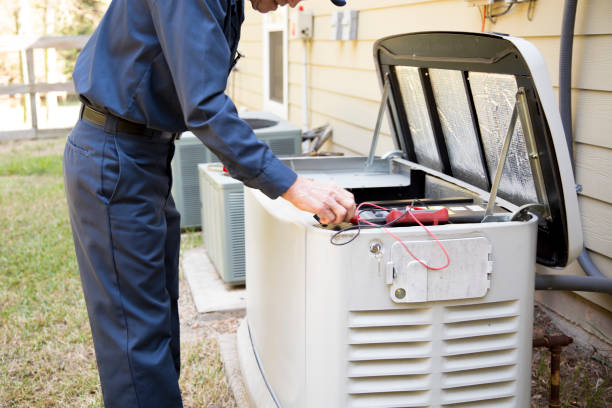
One of the first questions people ask involves the whole house generator installation cost. The price can vary depending on the home, generator size, fuel type, and the work required to install the system safely. A whole house generator typically connects directly to the home’s electrical panel and fuel supply. When the power goes out, the generator turns on automatically and keeps major appliances running.
For most homes, the whole house generator installation cost typically falls between $8,000 and $20,000. The exact price depends on several factors that affect both equipment and installation labor. Professional generator installation services help homeowners choose the right system and install it safely so it works when the power fails.
What Impacts the Whole House Generator Installation Cost?
Several parts of the installation influence the cost to install whole house generator systems. The size of the generator and the amount of installation work both play a role.
Below are the main factors that affect pricing.
Generator Size and Power Output
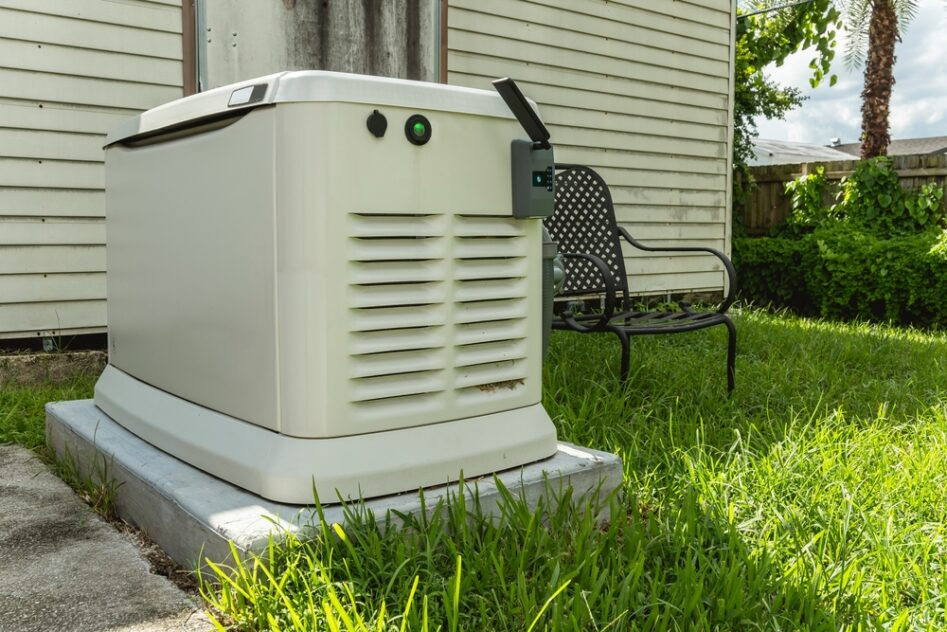
The generator size affects the overall whole house generator installation cost more than anything else.
Homes need different levels of power depending on the appliances and equipment inside. A smaller home might run well with a 10–14 kW generator. Larger homes often require systems ranging from 20–24 kW.
A bigger generator costs more upfront. It requires a larger engine and produces more electricity to keep the entire house running during an outage. A larger system can run HVAC units, refrigerators, lighting, and electronics without overloading the generator.
Choosing the right size prevents power problems later and keeps the generator running smoothly.
Fuel Type and Fuel Line Installation
Standby generators usually run on natural gas or propane. The type of fuel affects the whole house generator installation cost and the work needed to connect the system.
For example:
- Natural gas generators connect directly to the home’s gas line. That setup works well for homes that already have natural gas service. A plumber installs the fuel connection and confirms the gas pressure meets the generator’s requirements.
- Propane generators connect to a propane tank located outside the home. A propane supplier installs the tank, and a plumber connects the fuel line that feeds the generator.
Fuel connections require trained professionals. A licensed plumber checks pressure levels, installs shut-off valves, and confirms the fuel supply meets manufacturer guidelines.
Electrical System and Transfer Switch Installation
Every standby generator uses a transfer switch. This device moves the home’s electrical system from utility power to generator power during an outage.
The electrical setup influences the whole house generator installation cost since it requires coordination between plumbing and electrical work.
A transfer switch performs several tasks:
- It detects a power outage and starts the generator automatically. That feature keeps the home running without manual intervention.
- It prevents electricity from feeding back into the utility grid. Backfeeding can create serious safety risks for utility workers repairing power lines.
- It directs generator power to the home’s electrical panel safely and evenly.
According to the U.S. Department of Energy, standby generators require proper transfer switch installation to protect electrical systems and maintain safe operation. The transfer switch controls how electricity moves between the utility grid and the generator during an outage. Without this device, electricity could flow backward into utility lines, which creates a serious safety hazard for power crews working to restore service. A properly installed transfer switch keeps the electrical system organized and prevents equipment damage during a power outage.
Installation Location and Site Preparation
Where the generator sits outside the home can influence the whole house generator installation cost.
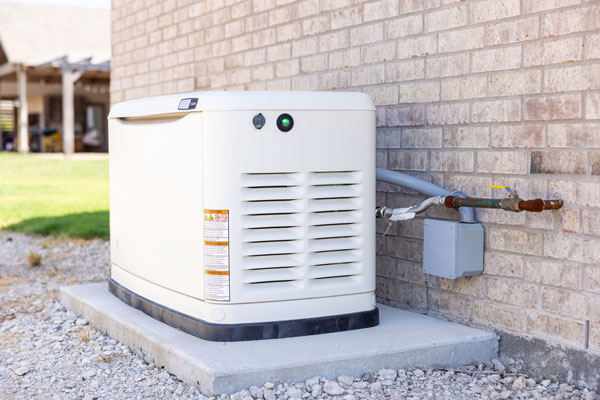
Generators require a stable surface and enough space for ventilation and service access. Installers often place them on a concrete pad near the home.
Site preparation may include:
- Clearing space beside the house so the generator has proper airflow and safe distance from windows and doors.
- Installing a concrete or composite pad that supports the generator weight and keeps it level.
- Running electrical and fuel lines from the home to the generator location.
These steps help the system operate safely and remain accessible for future maintenance.
Typical Breakdown of the Cost to Install Whole House Generator Systems
Homeowners often want a clearer idea of how the total price forms. A typical installation includes both equipment and labor.
Below is a general cost breakdown.
Generator Equipment
The generator unit itself typically costs between $4,000 and $10,000, depending on size and brand. Larger generators cost more since they produce more power.
The equipment package typically includes the generator engine, weather-resistant housing, and internal control system that manages startup and shutdown during outages.
Transfer Switch and Electrical Work
Transfer switch installation often ranges from $1,500 to $3,500, depending on the home’s electrical panel and wiring setup.
Electricians connect the switch to the electrical panel and test the system to confirm proper operation.
Fuel Line Installation
A plumber installs the gas or propane fuel line that powers the generator. Fuel line installation typically costs $500 to $2,000, depending on the distance between the generator and the fuel source.
The installation includes pressure testing and safety checks to confirm the generator receives consistent fuel flow.
Labor and Permits
Local permits, inspections, and labor costs can add $1,000 to $3,000 to the total installation.
Permits confirm the generator installation meets building codes and safety standards in Louisiana.
How Do Permits and Safety Affect Whole House Generator Installation Cost?
Permits and inspections are part of many home improvement projects, and generator work is no different. St. Tammany Parish’s permits and inspections department states that it serves public health, welfare, and safety through code enforcement. That means a proper installation is not just about convenience. It is about safety, code compliance, and long-term peace of mind.
There is another safety point worth mentioning. The U.S. Department of Energy notes that standby generator systems need routine maintenance for safe and efficient operation. So, the cost discussion should never stop at installation day. A good plan includes thinking about maintenance, testing, and service after the unit is in place.
Why Professional Generator Installation Services Matter
Installing a whole house generator involves electrical systems, fuel supply connections, and mechanical equipment. That combination requires trained professionals.
Professional generator installation services help prevent issues that may occur with improper installation.
A licensed plumbing and installation team handles several tasks during the process:
- The fuel line installation receives careful pressure testing so the generator operates without interruption. A stable fuel supply keeps the engine running during long outages.
- The generator placement meets local code requirements and provides safe distance from structures and ventilation openings.
- The system receives full testing before the job finishes. Installers simulate a power outage and confirm the generator starts automatically and transfers power correctly.
Hiring experienced installers protects the investment and keeps the generator ready for emergencies.
Homeowners searching for a Plumber in St Tammany Parish can learn more about services here:
Residents in nearby communities can view local service pages as well:
- Plumber in Madisonville, LA
- Plumber in Mandeville, LA
- Plumber in Covington, LA
- Plumber in Hammond, LA
- Plumber in Ponchatoula, LA
Contact Drake Plumbing for Generator Installation in Louisiana
Homeowners who want reliable backup power should start by discussing the whole house generator installation cost with a professional installer. A qualified team can evaluate the home, recommend the right generator size, and explain the full cost to install whole house generator systems.
Drake Plumbing provides trusted generator installation services for homes across St. Tammany Parish and nearby communities. To schedule an estimate or ask questions about installation, call (985) 703 0477 or visit the Contact Page. A properly installed generator keeps the lights on, the refrigerator running, and the home comfortable even during unexpected power outages.
Frequently Asked Questions About Whole House Generator Installation Cost
How long does a whole house generator installation take?
Most installations take one to two days. The timeline depends on the fuel connection, electrical work, and inspection requirements.
Can a generator power the entire house?
Yes, many standby generators run the whole home. The generator size must match the home’s electrical demand.
A professional installer calculates the total power needs before recommending a system.
Does installing a generator increase home value?
Backup power often appeals to homebuyers, especially in areas that experience storms and outages. A standby generator can add convenience and peace of mind during emergencies.
How often does a standby generator require maintenance?
Generators typically need service once per year. Maintenance includes oil changes, system checks, and testing the automatic startup feature.
Regular service helps the generator stay ready for the next outage.

