
How Does a Septic System Work? A Simple Homeowner’s Guide
A septic system handles wastewater for a home that doesn’t connect to a public sewer line. Every toilet flush, shower, sink, dishwasher, and washing machine sends used water through the home’s drainpipes. From there, the wastewater moves into a buried tank, where solids and liquids separate. The liquid then moves to a drainfield, where the soil completes the treatment process.
That basic path sounds simple, yet each part must stay clear and balanced. A blocked pipe, damaged baffle, overloaded tank, or soaked drainfield can send wastewater back into the home or onto the yard. For that reason, homeowners should know how does a septic system work, what belongs in the drains, and which warning signs call for a plumbing visit.
Drake Plumbing helps homeowners find drain, pipe, fixture, and wastewater problems before a small issue turns into a messy repair. This guide breaks the process into plain steps, so the full setup is easier to picture.
How Does a Septic System Work? Start With the Main Parts
Most household septic setups rely on four main parts: the plumbing inside the home, the main sewer pipe, the septic tank, and the drainfield. Each part passes wastewater to the next stage.
- Household drains collect used water. Toilets, tubs, showers, sinks, and appliances all connect to the home’s drain network. Next, those smaller pipes feed one larger pipe that carries wastewater outside.
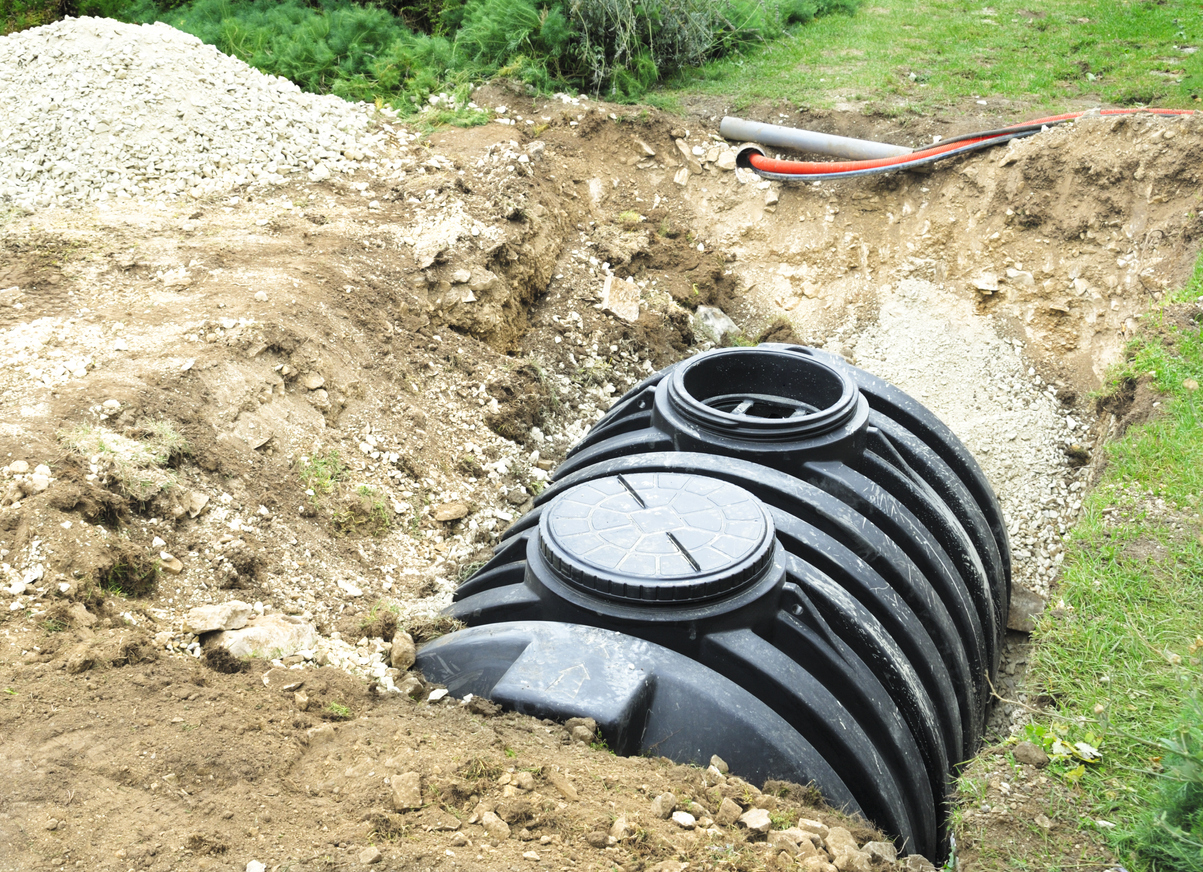
- The septic tank separates waste. Inside the tank, heavy solids sink to the bottom and form sludge. Grease, oil, and light material rise to the top and form a scum layer, leaving liquid in the middle.
- The outlet sends liquid to the drainfield. A baffle or outlet filter helps keep large solids inside the tank. Then, the middle liquid layer moves through an outlet pipe and enters the soil treatment area.
- The drainfield filters the liquid. Perforated pipes release the liquid into gravel, chambers, or prepared soil. From there, the soil filters the water and breaks down many remaining waste materials.
The U.S. Environmental Protection Agency explains that most septic systems rely on a tank and a drainfield to treat household wastewater, and homeowners who want a deeper understanding can explore the agency’s guide to how septic systems work for more detailed information.
How Does a Septic System Work? From the House to the Tank
The process begins the moment water enters a drain. Wastewater travels through your home in a predictable path:
- Toilets: Send larger bursts of wastewater through the pipes
- Sinks and showers: Create a steady, continuous flow
- Appliances: Dishwashers and washing machines add intermittent surges
Soon after, gravity carries that wastewater through the home’s main drain and into the septic tank.
A healthy drain line depends on several key factors:
- Proper pipe slope for smooth flow
- Clear, unobstructed interior space
- Secure, leak-free joints
- No intrusion from tree roots
If the line sags, cracks, or fills with grease, paper, wipes, or debris, wastewater may slow down before reaching the tank. As a result:
- Multiple fixtures may drain slowly at once
- Lower-level drains may begin to back up
This is where a plumber can separate a house-side drain problem from a tank or drainfield problem. Drake Plumbing can check fixtures, cleanouts, branch drains, and the main line. When damaged or poorly fitted pipes need replacement, the team can discuss plumbing installations that fit the home and local code needs.
How Does a Septic System Work? Inside the Tank
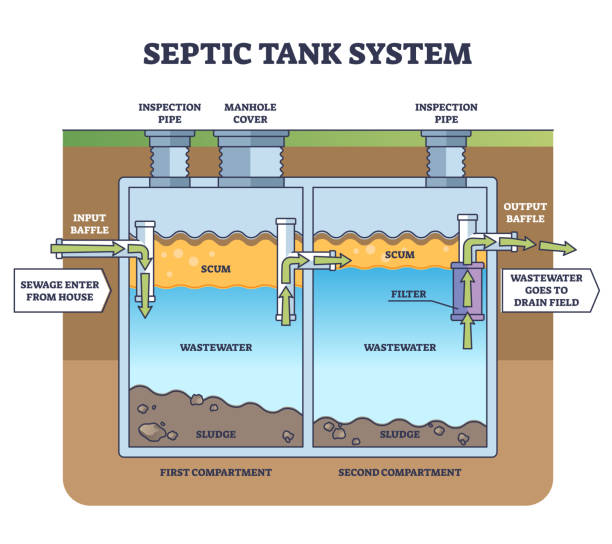
Many homeowners ask, “How does a septic tank system work after wastewater enters the tank?” The tank creates a quiet holding area, allowing waste to separate into layers:
- Sludge (bottom layer): Heavy solids settle at the base
- Effluent (middle layer): Liquid wastewater flows between layers
- Scum (top layer): Grease, oils, and lighter materials float
At the same time, natural bacteria break down part of the solid waste. However, the tank does not eliminate all waste, so sludge and scum continue to build over time.
Key components inside the tank include:
- Baffles or tees: Located near the inlet and outlet to control flow
- Outlet filter: Helps prevent solids from entering the drainfield
Without these barriers, solids can escape into the drainfield and clog the soil.
The tank maintains a consistent working level. Each time new wastewater enters:
- An equal amount of liquid exits through the outlet
- This liquid, called effluent, moves toward the drainfield
Routine maintenance is essential:
- Pumping removes accumulated sludge and scum
- Frequency depends on tank size, household size, and water usage
- Most systems need inspection every 3 years
- Pumping is typically required every 3–5 years
Systems with pumps or electrical components may require annual service.
How Does a Septic System Work? At the Drainfield
The drainfield is where final treatment occurs. It distributes septic liquid into the soil through a structured system:
- A distribution box may divide flow evenly
- Perforated pipes release small amounts of liquid
- Gravel or chambers help spread wastewater across a wide area
As the liquid moves through the soil:
- Microorganisms continue breaking down waste
- Soil filters out harmful bacteria and particles
- Treated water gradually returns to the groundwater system
A drainfield can struggle after too much water enters at once. For example, several loads of laundry, long showers, leaking toilets, and heavy rain can keep the soil wet. As a result, the field may drain slowly or push wastewater back toward the house.
The yard above the field needs protection too. Cars, trucks, sheds, patios, and deep-rooted trees can crush pipes or damage the soil area. For this reason, keep heavy weight away, direct roof runoff elsewhere, and watch for wet patches or strong sewage odors.
How Does a Septic System Work? Reading a Septic System Diagram
A basic septic system diagram usually shows the house on one side, the tank in the middle, and the drainfield farther downhill or away from the building. Arrows mark the path of wastewater through each part.
Picture the layout in this order:
- Fixtures and drains: Wastewater leaves toilets, sinks, tubs, showers, and appliances through connected drainpipes.
- Main sewer line: The home’s drains join one main pipe that carries the flow through the foundation and into the yard.
- Septic tank: Solids settle, grease floats, and the liquid layer stays between both. Baffles help hold solids inside the tank.
- Outlet and distribution point: Liquid leaves the tank and may enter a distribution box, pump chamber, or direct line.
- Drainfield: Perforated pipes spread liquid through trenches, chambers, gravel, or prepared soil for final treatment.
A site plan, permit record, inspection report, or service record may show the actual tank and drainfield locations. Before digging, building, planting trees, or adding a driveway, homeowners should confirm the layout. A plumber can help locate accessible plumbing lines and identify house-side issues, though septic tank pumping and field work may call for a licensed septic contractor.
How Does a Septic System Work? Across Different Types of Septic Systems
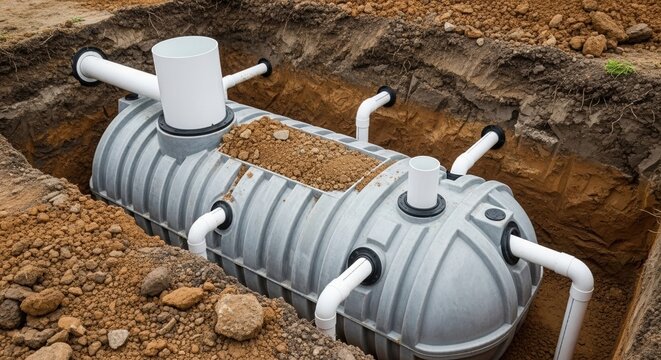
Several types of septic systems use the same basic goal: hold solids, treat liquid, and return treated wastewater to the soil. The layout changes based on lot size, soil, groundwater, slope, local rules, and daily water use.
Conventional gravity system
Wastewater moves from the tank to a gravel or chamber drainfield through gravity. This setup works best where the property has suitable soil and enough open space.
Pressure distribution system
A pump sends measured doses of liquid through the field. This setup spreads wastewater more evenly and may suit land where gravity alone can’t provide steady flow.
Mound system
A raised soil bed treats wastewater above the natural ground level. This option may serve property with shallow soil, high groundwater, or poor natural drainage.
Aerobic treatment unit
Air enters a treatment tank to support bacteria that process waste. This setup has mechanical parts, so routine checks and service matter.
Chamber or drip system
Chambers create open space for wastewater in the soil, and drip lines release small doses over a broad area. The correct choice depends on the site plan and local approval.
No single option fits every property. A home sale, remodel, added bedroom, new fixture group, or recurring backup may call for a review of the current setup. Drake Plumbing can inspect the home’s plumbing side and explain whether the trouble starts before the tank or farther outside.
How Does a Septic System Work? Day After Day
Daily habits have a direct effect on tank and drainfield performance. Small changes can reduce clogs, slow sludge buildup, and limit sudden water loads.
Use these habits around the home:
Flush toilet paper and human waste only
Wipes, paper towels, hygiene products, dental floss, diapers, cat litter, and cotton items can stay in the tank or block a pipe. A “flushable” label doesn’t mean the product breaks apart fast enough for every septic setup.
Keep grease and harsh waste out of sinks
Cooking grease can harden inside pipes and add to the scum layer. Paint, solvents, fuel, strong cleaners, and medicines can harm the treatment process or enter the soil.
Spread water use across the week
Several laundry loads in one day can send a large volume into the tank and field. Fixing dripping faucets and running toilets cuts water waste and gives the soil more time to absorb each dose.
Use the garbage disposal with care
Ground food still becomes solid waste inside the tank. Less food in the drain means slower sludge buildup and fewer chances for pipe blockage.
Keep service records
Write down inspection dates, pump dates, repairs, tank size, and the field location. Good records make future service faster and help during a home sale.
Careful waste disposal and balanced water use help protect the tank and drainfield from avoidable strain.
How Does a Septic System Work? When Trouble Starts
Septic trouble rarely fixes itself. A slow drain may come from one clogged fixture, yet several slow drains may point to a main line, tank, or field issue.
Watch for these signs:
- Gurgling sounds from toilets or drains
- Sewage odor inside the home or near the yard
- Water backing up into tubs, showers, or floor drains
- Bright green grass over one part of the field
- Wet, soft, or spongy ground near the tank or drainfield
- Toilets that flush slowly after plunging
- Wastewater appearing near a cleanout or tank lid
Stop heavy water use once sewage begins backing up. Don’t keep flushing toilets or running appliances, since added water can make the spill worse. Next, call for an assessment. Drake Plumbing can inspect the home’s plumbing, clear suitable blockages, check for damaged lines, and explain the next repair step.
How Does a Septic System Work? With Drake Plumbing Support
Drake Plumbing serves homeowners who need help with drains, fixtures, piping, backups, and new plumbing work. Fast attention can protect flooring, walls, cabinets, and personal items from wastewater damage.
Service is available through a plumber in St. Tammany Parish, including a plumber in Madisonville, LA, plumber in Mandeville, LA, and plumber in Covington, LA.
Drake Plumbing serves nearby communities too, including homeowners looking for a plumber in Hammond, LA or a plumber in Ponchatoula, LA. Visit the full Areas We Serve page for more location details.
How Does a Septic System Work? Get Help From Drake Plumbing
A septic setup moves wastewater through a clear chain: household drains, main line, tank, outlet, and drainfield. Each part depends on steady flow and open piping. Once one section clogs or breaks, the whole system can slow down.
If drains are gurgling, toilets are backing up, or sewage odors have appeared, Drake Plumbing can check the plumbing side and help find the source. Call (985) 703 0477 or use the Drake Plumbing contact page to request service.
How Does a Septic System Work? Frequently Asked Questions
Can a septic tank work without being pumped?
The tank can run for years between pump visits, yet solids never stop building. Once sludge or scum gets too close to the outlet, solid waste can reach the drainfield. Pumping removes that buildup before it causes expensive field damage.
Why does the septic tank stay full after pumping?
The tank fills to its working level as the household uses water. A full-looking tank can be normal. The concern starts when the outlet can’t move liquid, wastewater rises above the normal level, or sewage returns to the home.
Can heavy rain affect a septic system?
Yes. Saturated soil may absorb septic liquid slowly. Heavy rain can create slow drains, wet spots, odors, or backup risks, mainly when the field already has drainage trouble.
Can a plumber fix a septic backup?
A plumber can diagnose and repair many house-side causes, such as clogged drains, broken sewer lines, faulty fixtures, or poor pipe flow. If the tank needs pumping or the drainfield has failed, a septic service provider may need to handle that part.
What should never go into a septic system?
Keep wipes, grease, paper towels, hygiene products, diapers, chemicals, paint, fuel, and large amounts of food waste out of drains. These items can block pipes, fill the tank faster, or interfere with natural waste treatment.

