
How Deep Are Gas Lines Buried Underground and Why Does Depth Matter?
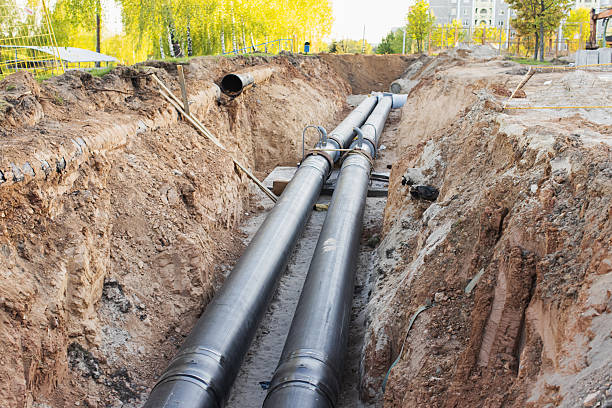
Gas lines run below many homes and yards, carrying natural gas to appliances such as water heaters, furnaces, ranges, outdoor kitchens, and standby generators. Since the pipe sits underground, homeowners often ask one basic question before a fence, patio, garden bed, drain, or other yard project: how deep are gas lines buried?
There isn't one depth that applies to every gas line. The answer depends on the type of line, where the pipe runs, local rules, utility standards, soil conditions, road crossings, and changes made to the property after the line was installed. A gas line may have plenty of cover in one part of a yard and much less cover farther along the same route.
For that reason, depth should never be guessed from the age of the home, the location of the meter, or the path that seems most likely. Before soil gets disturbed, the safer approach is to have public utilities marked and have gas-related plumbing work handled by a qualified professional.
How Deep Are Gas Lines Buried Around a Typical Home?
Homeowners searching how deep are gas lines buried often expect a single number. In real life, burial depth can vary quite a bit.
Residential gas service lines and private gas piping can sit at different depths based on the installation, local code, utility requirements, the pipe material, and the area the pipe crosses. Some lines may be found around 12, 18, or 24 inches below grade, and other lines may sit deeper. Those figures are examples, not safe digging limits.
Larger regulated pipelines follow separate rules. The U.S. Department of Transportation's Pipeline and Hazardous Materials Safety Administration explains that federal rules require gas transmission pipelines to have minimum cover that changes by location. PHMSA notes that transmission lines in rural settings typically need at least 30 inches of cover, with greater depth required in certain populated areas, road crossings, and water crossings.
That federal requirement doesn't mean a gas service pipe in a residential yard sits 30 inches deep. It means pipeline type matters, and one number shouldn't be used as a digging guide for every property.
Why How Deep Are Gas Lines Buried Can Change From One Property to Another
Several conditions can affect how much soil sits above a gas pipe. Two houses on the same street can have different burial depths.
The type of gas line changes the installation.
A utility-owned service line, a private line to an outdoor appliance, and a large transmission pipeline serve different jobs. Each one can fall under different installation rules and routing needs.
The route across the property matters.
A pipe running through a lawn may need a different installation from a pipe passing below a driveway, road, ditch, or other area exposed to loads or soil movement. The route can affect trench depth and protection.
Soil and site conditions play a part.
Soft soil, compacted fill, rock, drainage areas, and high-water conditions can affect how a trench is prepared. In south Louisiana, wet ground and shifting soil can make site conditions a real concern.
Past yard work can change the amount of cover.
Grading, drainage work, erosion, landscaping, driveway work, or removing soil can change the ground level after a gas line goes in. As a result, a pipe that once had more cover may sit closer to the surface years later.
In many cases, homeowners have no record showing the exact depth across the full route. From there, locating and safe excavation practices matter far more than guessing.
Why How Deep Are Gas Lines Buried Matters Before Any Digging Project
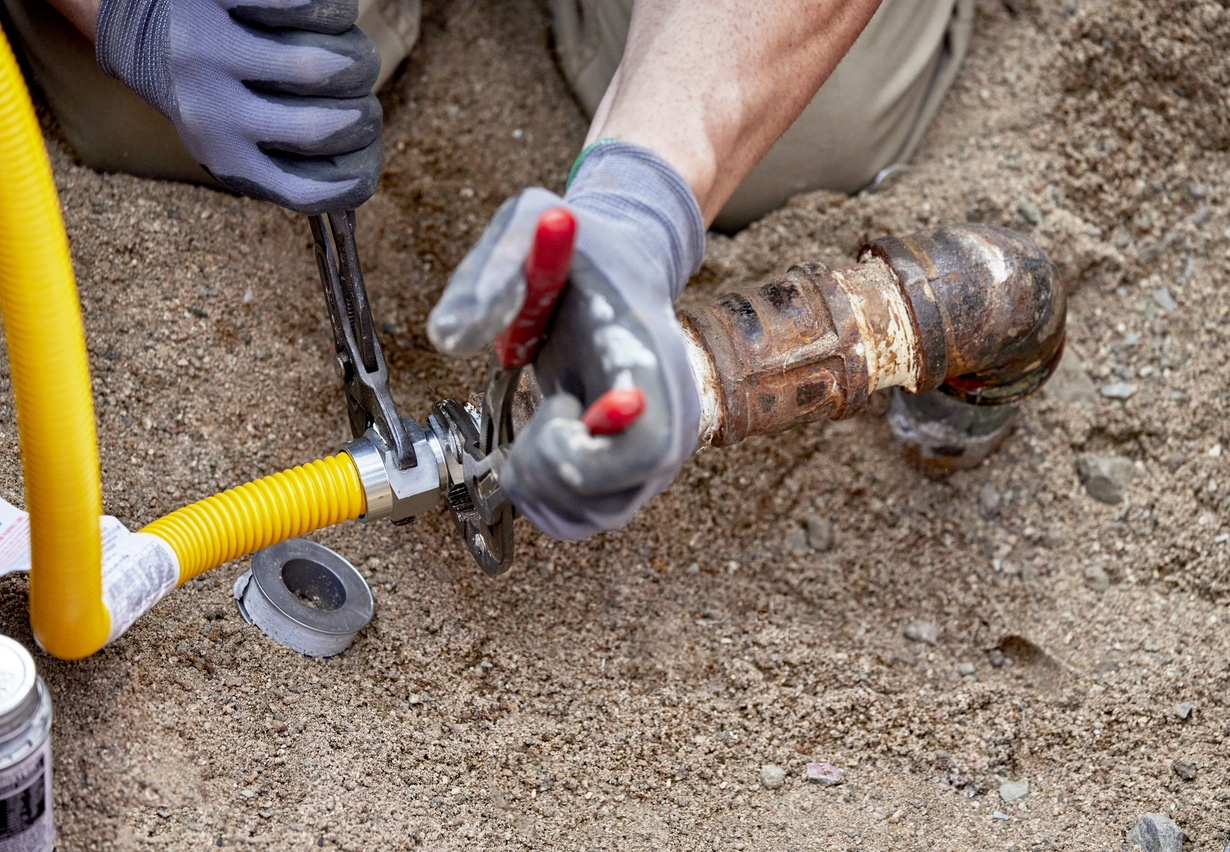
Burial depth gives gas piping a layer of protection from normal activity at the surface. Still, soil cover isn't a shield against every shovel, auger, trencher, post-hole digger, or excavator.
A damaged gas line can cause a leak, fire risk, service interruption, repair costs, and danger to people near the site. Even a scrape, dent, or coating damage can create a problem that needs attention.
For example, a homeowner may plan to install a fence and assume each post hole will stay far above the gas line. If the yard was graded after the gas service went in, the actual cover may be less than expected. The same risk can come up during landscaping, drainage work, tree planting, mailbox installation, patio work, or a new outdoor gas appliance.
The safest rule is simple: don't use an estimated burial depth as permission to dig.
Before Asking How Deep Are Gas Lines Buried, Call 811
Before digging, contact 811 so underground public utilities can be located and marked. PHMSA states that 811 is the nationwide call-before-you-dig number and urges property owners and contractors to use it before excavation projects.
Louisiana law requires excavators and demolishers to contact a regional notification center at least 48 hours before work begins, according to the Louisiana Department of Transportation and Development. The rule applies to soil disturbance done with heavy equipment or hand tools.
PHMSA's safe-digging guidance can be found here: 811 Day — Pipeline and Hazardous Materials Safety Administration.
At the same time, 811 markings may not cover every private line on a property. A privately installed gas line serving a detached garage, pool heater, outdoor kitchen, generator, or other feature may need separate locating. If there's any doubt about ownership, routing, or the next step, Drake Plumbing can help review the plumbing side of the project.
How Deep Are Gas Lines Buried Affects Gas Line Repair and Replacement
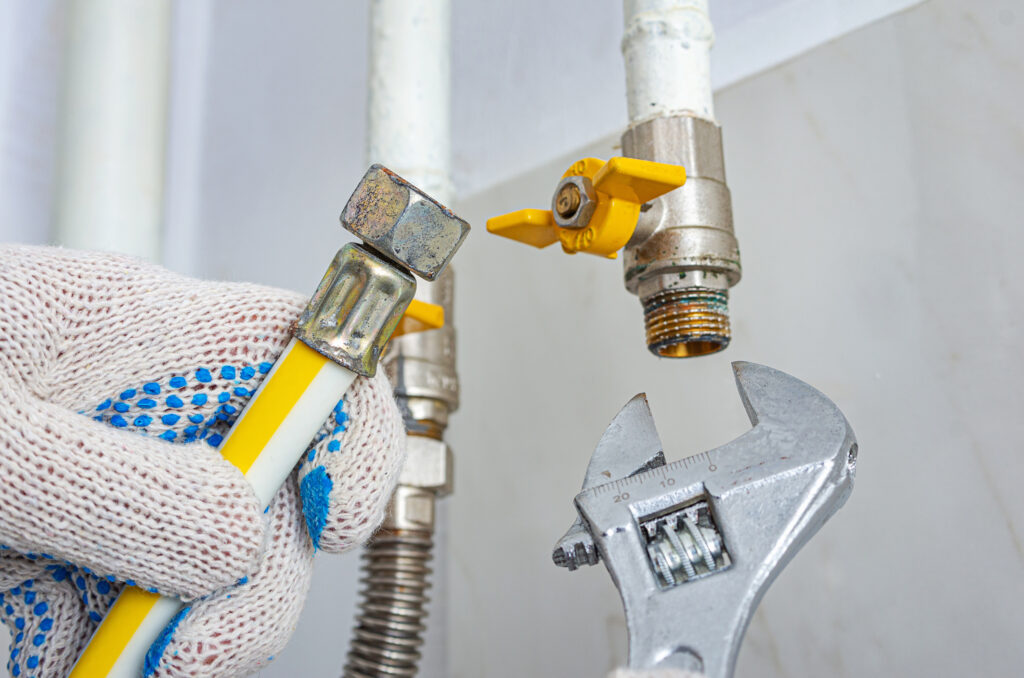
Depth matters during gas line repair or replacement since the pipe needs enough protection, proper support, approved materials, sound connections, and a route that fits the property.
A repair starts with finding the actual problem. A gas odor, poor appliance supply, failed pressure test, visible corrosion near an exposed section, or damage during yard work can point to a line issue. Next, the affected piping needs to be checked so the repair plan matches the condition of the system.
For buried gas piping, Drake Plumbing can help determine the proper route, material, and installation method for the job. Local code and permit rules can affect the work, so copying the depth of an old pipe isn't always the right answer.
For residents looking for a plumber in St. Tammany Parish, gas line work should be treated as a licensed plumbing job rather than a trial-and-error yard project. The same applies to homeowners needing a plumber in Madisonville, LA, a plumber in Mandeville, LA, or a plumber in Covington, LA.
What How Deep Are Gas Lines Buried Means for Other Plumbing Projects
Most indoor plumbing jobs don't involve buried gas lines. A homeowner learning how to replace a faucet in a kitchen sink, how to change a faucet, or how to replace a kitchen faucet is dealing with a very different type of project from underground gas piping.
The difference matters once a plumbing project moves outside and soil needs to be opened. Sewer repairs, water service work, outdoor kitchens, gas appliance lines, drainage changes, and trenching can cross areas where other utilities run. At that point, utility locating becomes part of the job before digging starts.
Drake Plumbing serves homeowners across the local area, including anyone searching for a plumber in Hammond, LA or a plumber in Ponchatoula, LA. More service locations are listed on the Areas We Serve page.
Signs How Deep Are Gas Lines Buried May Need Professional Attention
The depth itself usually isn't something a homeowner can judge from the surface. Still, several situations call for professional help:
A gas line was hit or scraped during digging.
Stop work right away. Don't cover the damaged area and keep going. If gas is escaping or a leak is suspected, move away from the area and contact emergency services and the gas utility from a safe location.
The yard has gone through major grading or erosion.
Soil removal can reduce cover over buried piping. A line that once sat deeper may now be closer to normal digging depth.
A new outdoor gas appliance is being added.
Fire pits, outdoor kitchens, pool heaters, and generators may need new gas piping. The route, pipe size, gas demand, shutoff placement, and burial requirements need to fit the project.
Old buried piping needs replacement.
Aging materials, corrosion, leaks, failed testing, or repeated repairs can point to a larger problem. In that case, replacing a section or rerouting the line may make more sense than patching the same area again.
For this reason, a gas line concern shouldn't be handled by measuring down from the soil and assuming the pipe is safe.
Contact Drake Plumbing for Gas Line Plumbing Services in Louisiana
So, how deep are gas lines buried? The answer depends on the line and the property. Some residential lines may sit around a foot or two below grade, other lines may sit deeper, and larger regulated pipelines follow separate cover rules. Ground levels can change over time, too, so an old depth estimate isn't a safe reason to start digging.
Before any project breaks ground, contact 811 and respect the utility markings. If the work involves gas piping, private lines, repairs, replacement, or a new gas appliance, bring in a qualified plumber who can inspect the job and plan the work correctly.
Drake Plumbing helps homeowners across St. Tammany Parish and nearby communities with gas piping and other plumbing needs. To schedule service, call (985) 703-0477 or use the Drake Plumbing Contact Page.
FAQs About How Deep Are Gas Lines Buried
How deep are gas lines buried in a residential yard?
There is no single depth for every residential gas line. Service lines and private gas piping can vary based on local rules, utility standards, pipe type, route, and changes to the property. Never use an estimated depth as a digging limit.
Can a gas line sit closer to the surface than expected?
Yes. Grading, erosion, landscaping, drainage work, or older installation conditions can leave less soil above a line than a homeowner expects.
Does 811 tell the exact depth of a gas line?
811 helps identify and mark the horizontal location of participating underground utilities. Markings shouldn't be treated as a promise of exact depth. Digging near marked utilities calls for extra care and any required safe-excavation practices.
Do 811 markings include private gas lines?
Not in every case. Private lines after the utility's point of responsibility may need a private locator. Outdoor kitchens, generators, pool heaters, and detached structures are common examples of places where privately owned lines may exist.
Can Drake Plumbing help with a buried gas line problem?
Yes. Drake Plumbing can help with gas line repair, replacement, rerouting, and related plumbing work based on the needs of the property and the local requirements that apply to the job.

