
10 Fittings of a Bathroom to Consider for Your Renovation
A bathroom renovation can look simple on paper: choose a sink, pick a toilet, select a shower, and start the work. Once walls open up and plumbing lines come into view, the job can become more involved. The location of supply lines, drain lines, venting, water pressure, fixture size, and shutoff access can affect what works in the room.
For that reason, choosing fittings of bathroom early can make the renovation easier to plan. Good choices should fit the room, connect correctly to the plumbing, match daily needs, and stay easy to service later. A fixture that looks great but doesn’t match the existing plumbing layout can add labor, wall repairs, or pipe changes.
Drake Plumbing helps homeowners plan bathroom plumbing around the fixtures and fittings that will actually be used each day. From faucet installation to toilet replacement and shower plumbing, the goal is to give each part of the bathroom a proper connection from the start.
Why Fittings of Bathroom Matter During a Renovation
Bathroom fittings include the visible parts people use every day, along with plumbing parts that control water flow and drainage. Faucets, showerheads, toilets, sinks, tubs, valves, and drains all fall into this group.
At the same time, a bathroom remodel isn’t just about picking finishes. Every fixture needs the right water supply, drainage path, clearance, and connection point. For example, changing from a standard tub to a larger freestanding tub can require a different drain location. Moving a toilet across the room can require more drain work than replacing a toilet in the same spot.
In fact, water use matters too. The U.S. Environmental Protection Agency reports that WaterSense-labeled bathroom sink faucets use no more than 1.5 gallons per minute and can cut sink flow by 30% or more compared with the standard 2.2 gallons per minute. Homeowners looking at water-saving products can review the EPA WaterSense bathroom faucet guidance.
That said, product labels are only one part of the decision. Drake Plumbing can check the existing plumbing layout and help match new bathroom fittings with the space available.
10 Fittings of Bathroom Worth Planning Before Work Starts
Bathroom faucets
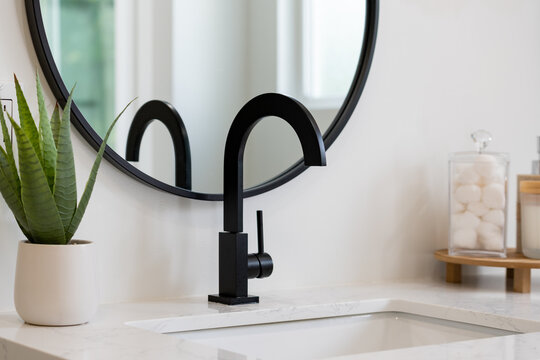
A faucet gets used many times each day, so it needs to feel comfortable and work with the sink or vanity. Center-set, widespread, wall-mounted, and single-hole faucets all connect differently. For example, a wall-mounted faucet usually needs plumbing placed inside the wall at the correct height before tile or drywall closes the area.
Next, think about handle style, spout reach, and water flow. A faucet that sits too far back can splash around the sink deck, yet a spout that reaches too far can crowd a smaller basin. Drake Plumbing can check faucet placement and supply connections before installation so the finished setup works the way it should.
Bathroom sinks
Bathroom sinks come in several forms, including undermount, drop-in, vessel, pedestal, and wall-mounted models. Each style changes how the drain and supply lines need to line up.
For instance, a vessel sink often sits higher than a standard undermount sink. That change can affect faucet height and drain placement. A pedestal sink can leave more plumbing visible, so clean positioning matters. Before buying a sink, it helps to compare the sink dimensions with the vanity, counter height, drain location, and faucet style.
Toilets
Toilets may look similar from one model to another, but rough-in measurements and bowl shape can affect fit. The rough-in is the distance from the finished wall to the center of the toilet drain connection. Buying a toilet that doesn’t match the available rough-in can create a frustrating installation problem.
Plus, water use is worth checking. EPA WaterSense guidance states that labeled toilets use 1.28 gallons per flush or less and meet performance requirements. A new toilet can be a smart part of a renovation when an older unit leaks, runs often, rocks at the base, or no longer fits the new layout.
Showerheads
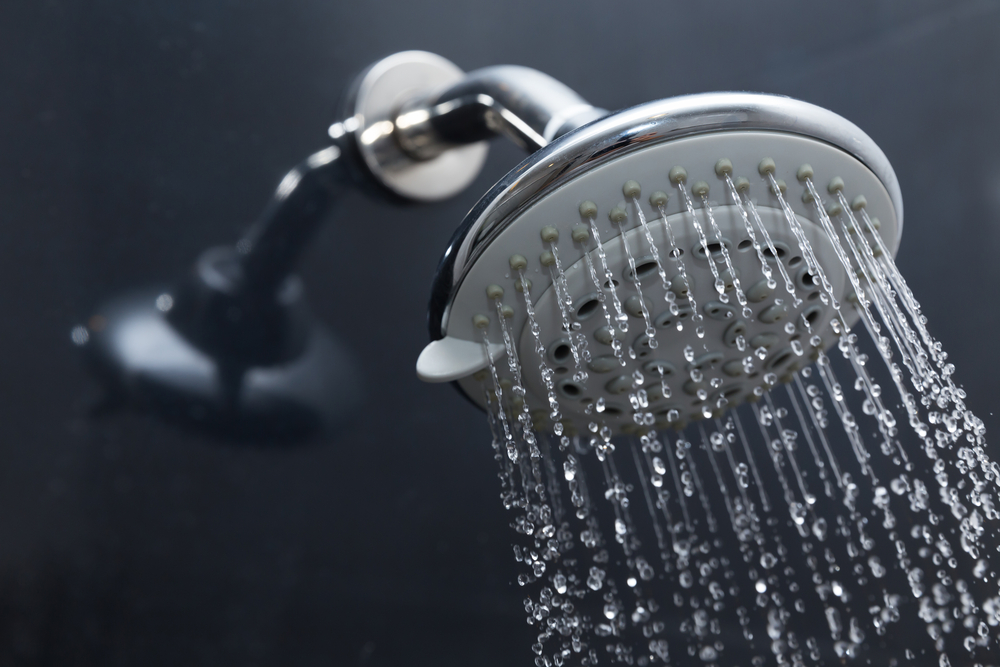
Showerheads range from simple fixed models to handheld units, rain heads, and multi-function combinations. The best choice depends on water pressure, shower size, user needs, and the type of valve behind the wall.
At the same time, adding more shower outlets can change the plumbing plan. A large rain head paired with a handheld shower may need different piping or valve controls from a basic single showerhead. Planning the setup before tile work starts can prevent opening finished walls later.
Shower valves and controls
The shower valve sits behind the wall and controls the mix of hot and cold water. This hidden fitting deserves just as much thought as the visible trim.
For example, some renovations keep the current valve location and replace compatible trim. Other projects call for a new valve, a pressure-balancing setup, a thermostatic control, or separate controls for several shower outlets. From there, the plumber can set the valve depth correctly so the trim sits properly against the finished wall.
A shower can look finished on the outside and still have poor operation if the valve setup isn’t planned correctly. This is one reason Drake Plumbing should be involved before wall finishes go up.
Bathtubs and tub fillers
A tub affects much more than the look of the bathroom. Standard alcove tubs, freestanding tubs, soaking tubs, and tub-shower combinations can place drains and supply lines in different spots.
For that reason, tub dimensions should be checked before plumbing gets moved. The floor may need a different drain opening, and the filler may come through the wall, tub deck, or floor. Freestanding fillers need careful placement so the spout reaches the tub correctly without crowding the walking area.
Bathroom drains
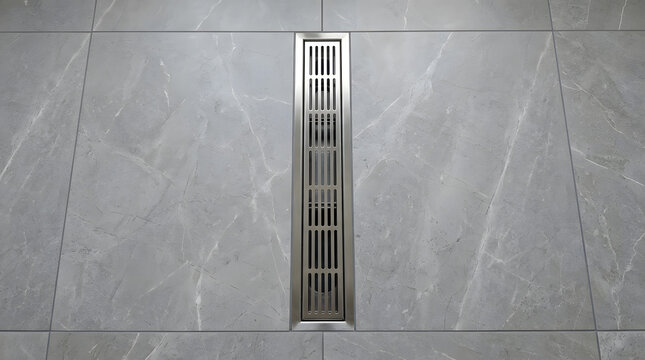
Drain choice often gets less attention than faucets or tile, yet a drain has a big job. Sink drains, tub drains, shower drains, and floor drains need proper sizing, slope, connection, and access.
For example, a linear shower drain may require a different floor slope from a center drain. A sink drain may need to move when a new vanity changes position. Then, trap placement and venting need to work with the new layout.
A slow or poorly planned drain can take the shine off a new bathroom fast. Drake Plumbing can inspect drain routing before fixtures go in and correct problems that could affect daily use.
Shutoff valves
Shutoff valves let water to a sink or toilet get turned off without shutting down water to the whole home. Small as these parts are, easy access can make future repairs much simpler.
In many cases, an older bathroom has worn, stiff, corroded, or outdated shutoff valves. Renovation work gives the plumber a chance to inspect these connections and replace worn parts when needed. From there, future faucet or toilet service can be less disruptive.
Bathroom vanity plumbing
A vanity is furniture, storage, countertop, sink, faucet, and plumbing all meeting in one area. Changing vanity size or style can move the sink away from the existing drain and supply lines.
For instance, switching from one sink to a double vanity can require new drain and water connections. A floating vanity can leave pipes exposed if rough-in work doesn’t match the cabinet design. Before cabinet installation, Drake Plumbing can review measurements and plan pipe placement around drawers, shelves, and sink bowls.
Bidet seats, bidet fixtures, and toilet add-ons
Bidet seats and other toilet add-ons have become more common in bathroom remodels. Some models need a nearby water connection, and powered models can need an electrical outlet in the right location.
At the same time, cramped placement can make cleaning and service harder. A plumber can check water connections, clearances, and fixture compatibility before installation. For homeowners adding a separate bidet fixture, the drain and supply layout needs to be planned as part of the renovation rather than treated as a last-minute extra.
How Fittings of Bathroom Affect the Cost of Bathroom Fitting
The cost of bathroom fitting depends on more than the price tags on sinks, faucets, toilets, and showers. Labor can change based on how much plumbing must move, how easy the pipes are to reach, and whether old connections need repair.
For example, replacing a faucet in the same sink location can be a smaller job than moving a sink to another wall. In the same way, setting a new toilet on the existing drain can require less work than relocating the toilet. A shower remodel can cost more if the project includes a new valve, several shower outlets, drain changes, or pipe replacement behind the wall.
The condition of the current plumbing matters too. During renovation work, older valves, corroded connections, damaged drain lines, or weak water pressure can show up. Fixing these issues before new finishes go in can prevent a new bathroom from hiding an old plumbing problem.
For that reason, Drake Plumbing can review the planned bathroom fixtures before work begins and explain which parts may require plumbing changes.
How to Choose Fittings of Bathroom That Work Together
A good bathroom plan should make the fixtures look like part of the same room, but function comes first. Start with the room measurements and plumbing layout, then choose items that fit those limits.
Keep these points in mind:
- Check measurements before buying: A toilet, vanity, tub, or shower base can fit on a product page yet feel cramped once installed. Measure wall space, door swing, walking room, fixture depth, and nearby clearances before placing an order.
- Match fixtures with the plumbing plan: A wall-mounted faucet, freestanding tub filler, double vanity, or multi-head shower can require extra rough-in work. Share fixture specifications with Drake Plumbing early so pipe locations can be checked before walls and floors are finished.
- Think about future service: Shutoff valves, traps, shower valves, and other plumbing parts may need repair one day. Leaving practical access can save time and reduce damage if service becomes necessary.
- Choose water-saving products when the fit makes sense: WaterSense-labeled faucets, toilets, and showerheads can reduce water use. The EPA reports that bathrooms account for more than half of indoor household water use, so fixture choices can make a real difference in overall consumption.
- Buy compatible parts; A faucet must match the sink or countertop holes. Shower trim must match the valve system. Tub drains need to fit the tub design. Checking compatibility before installation can reduce returns, delays, and extra labor.
Where Drake Plumbing Installs Fittings of Bathroom
Drake Plumbing works with homeowners across the Northshore and nearby communities on bathroom plumbing, fixture replacement, drain work, and renovation plumbing. The current service area includes St. Tammany Parish, Madisonville, Mandeville, Covington, Hammond, Ponchatoula, and many nearby communities.
Service is available for homeowners looking for a plumber in St Tammany Parish, a plumber in Madisonville, LA, a plumber in Mandeville, LA, or a plumber in Covington, LA.
Drake Plumbing serves more communities across the area, including homeowners searching for a plumber in Hammond, LA or a plumber in Ponchatoula, LA. See the full Areas We Serve page for more locations.
Plan Your Bathroom Fittings With Drake Plumbing
The best bathroom renovation is more than a fresh tile pattern or a new vanity. The plumbing behind each fixture needs to support the finished room for daily use and future service. Choosing fittings of bathroom with the plumbing layout in mind can reduce surprises once construction starts.
Drake Plumbing can help with bathroom fixture installation, faucet and toilet replacement, shower plumbing, tub connections, drains, valves, and renovation plumbing across the local service area.
Ready to talk about a bathroom renovation? Call (985) 703 0477 or use the Drake Plumbing Contact Page to request service.
FAQs About Fittings of a Bathroom
What are the main fittings of bathroom used in a renovation?
Common fittings of bathroom include faucets, sinks, toilets, showerheads, shower valves, tubs, tub fillers, drains, shutoff valves, and bidet connections. The right group depends on the room layout and how the bathroom will be used.
What is the difference between bathroom fixtures and bathroom fittings?
The terms often overlap in everyday use. Bathroom fixtures commonly refer to larger installed items such as toilets, sinks, tubs, and showers. Bathroom fittings can refer to faucets, showerheads, valves, drains, and other connected parts. For a remodel, both groups need to work with the same plumbing layout.
Can bathroom fittings be replaced without moving pipes?
Yes, many replacements can use existing pipe locations if the new product matches the current setup. Still, a different vanity, tub, shower system, or wall-mounted fixture may require pipe changes. Drake Plumbing can check the rough-in before installation.
How can the cost of bathroom fitting be kept under control?
Keeping major fixtures close to existing drain and supply locations can reduce plumbing changes. Buying compatible products early can help too. A plumbing review before demolition can catch problems before new tile, cabinets, or walls make access harder.
Should a plumber be involved before bathroom fixtures are purchased?
For a full renovation, early plumbing input can prevent mismatched products and rough-in problems. This matters most for tubs, showers, wall-mounted faucets, double vanities, bidets, and fixtures that change the current layout.

